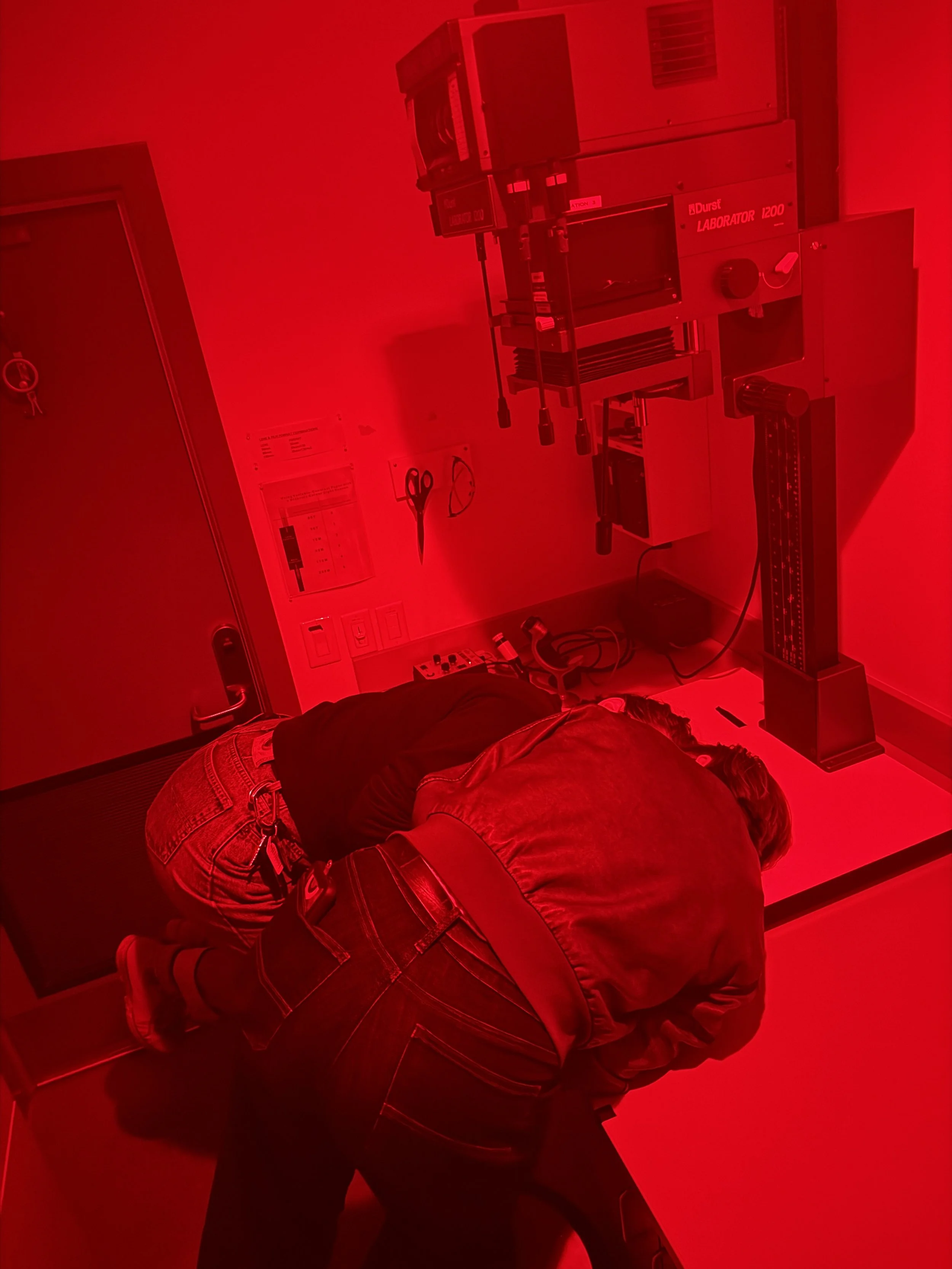
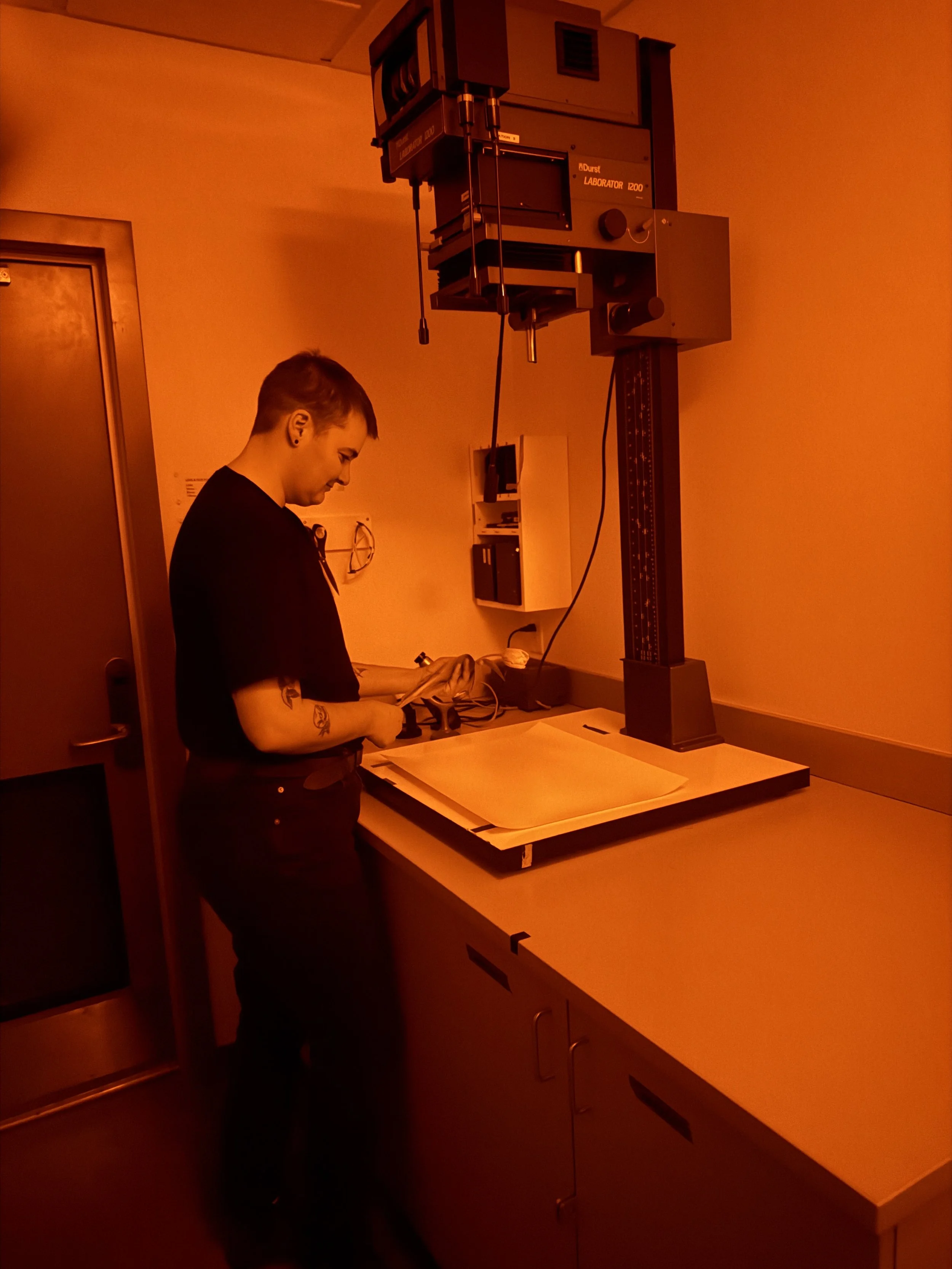
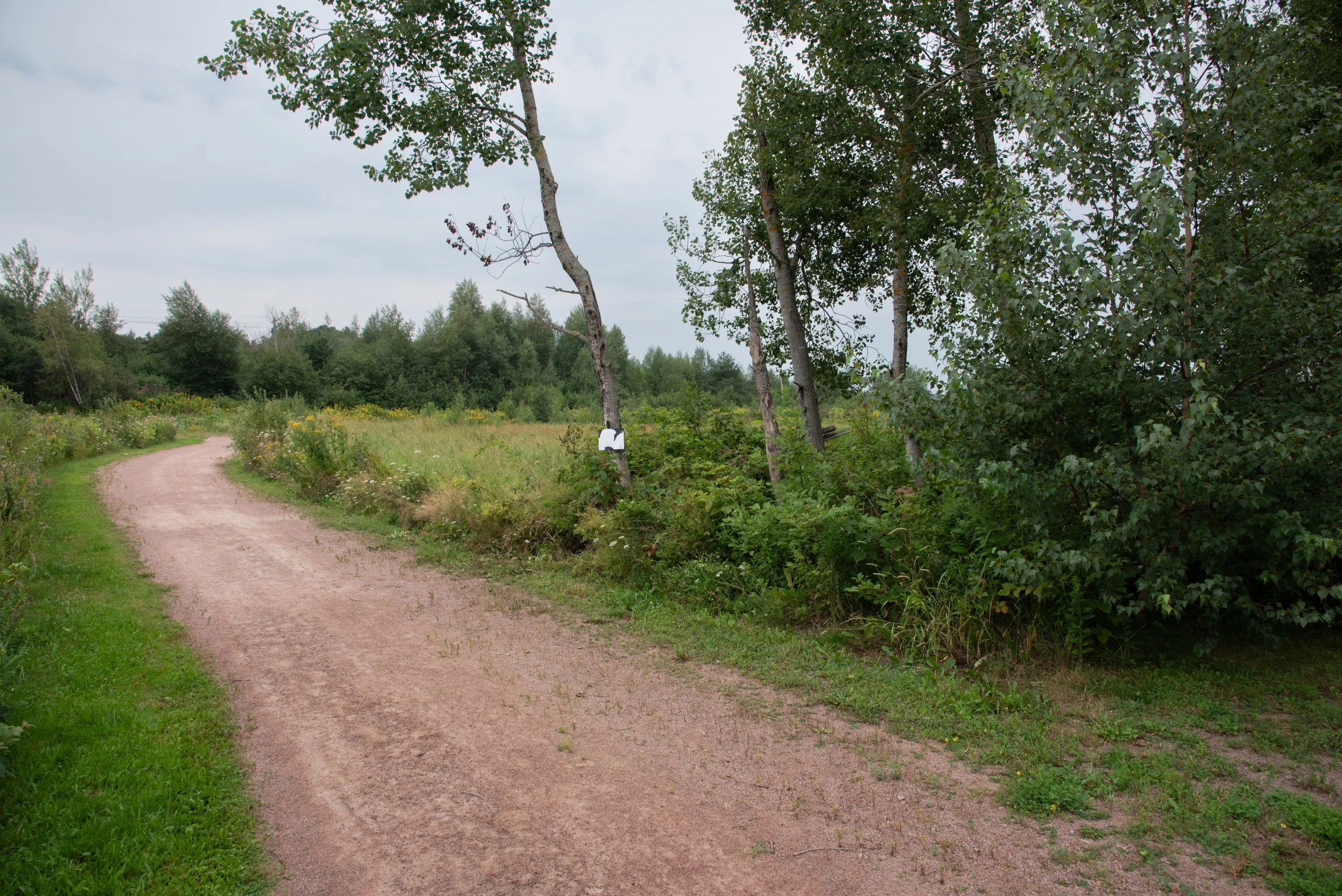
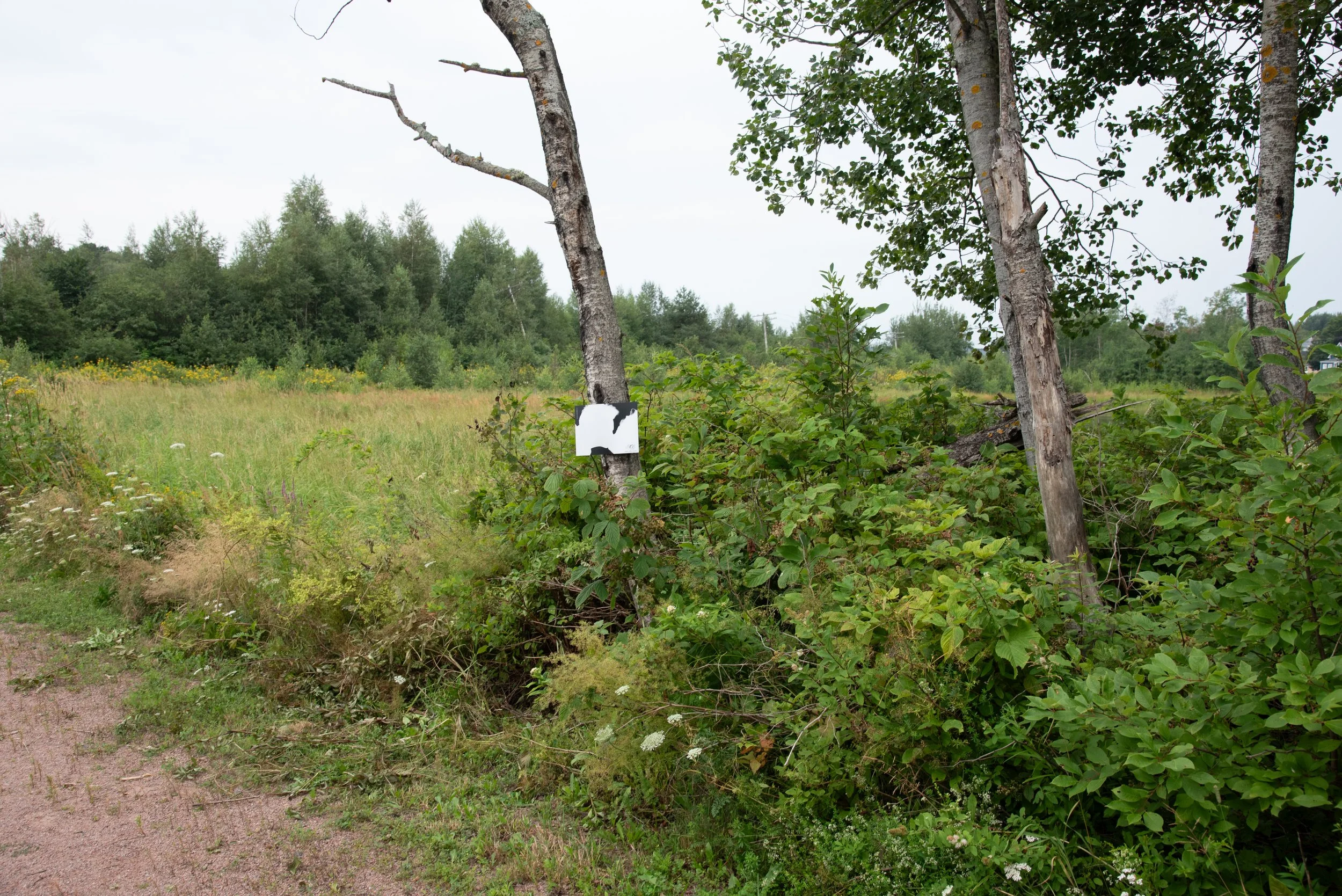
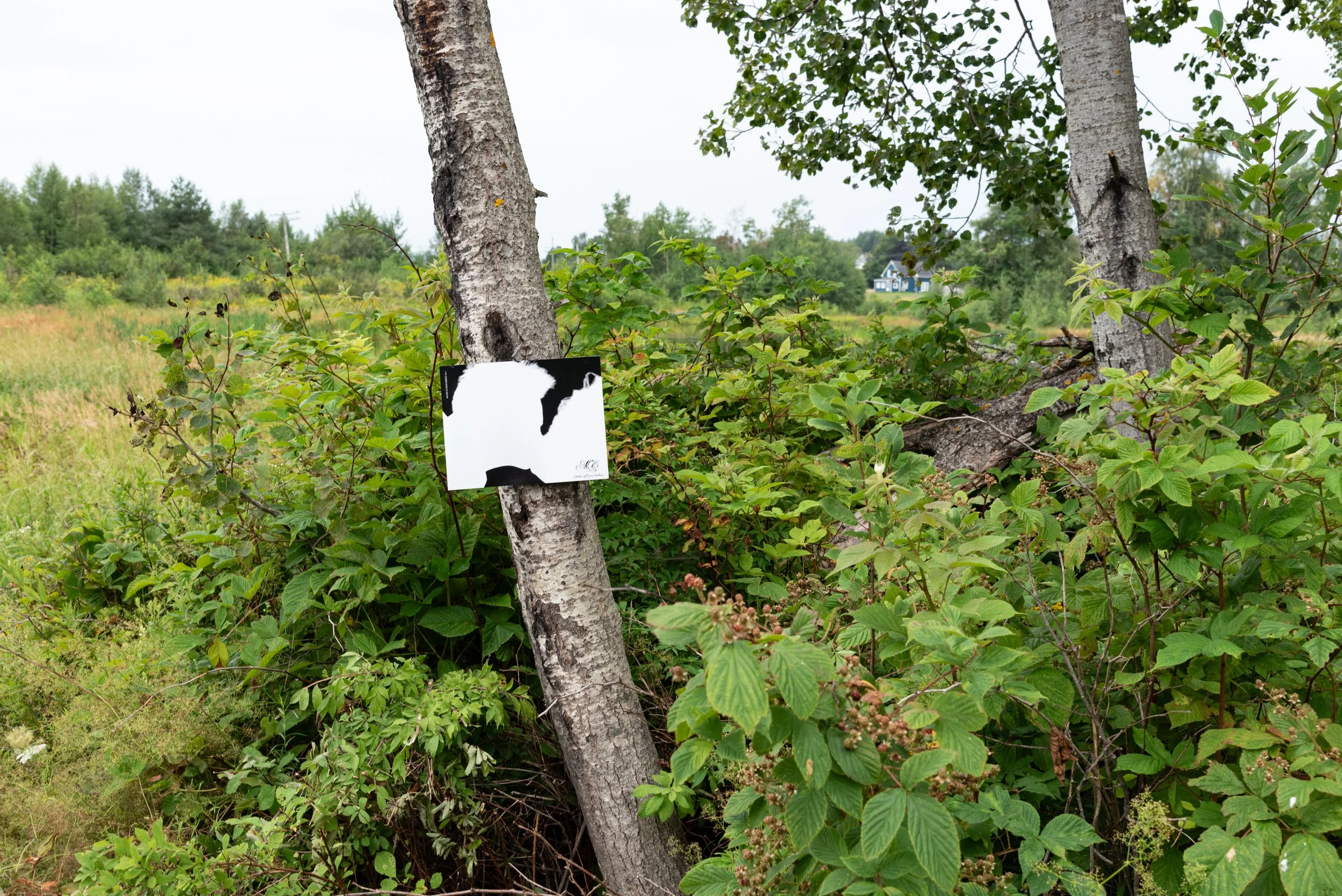
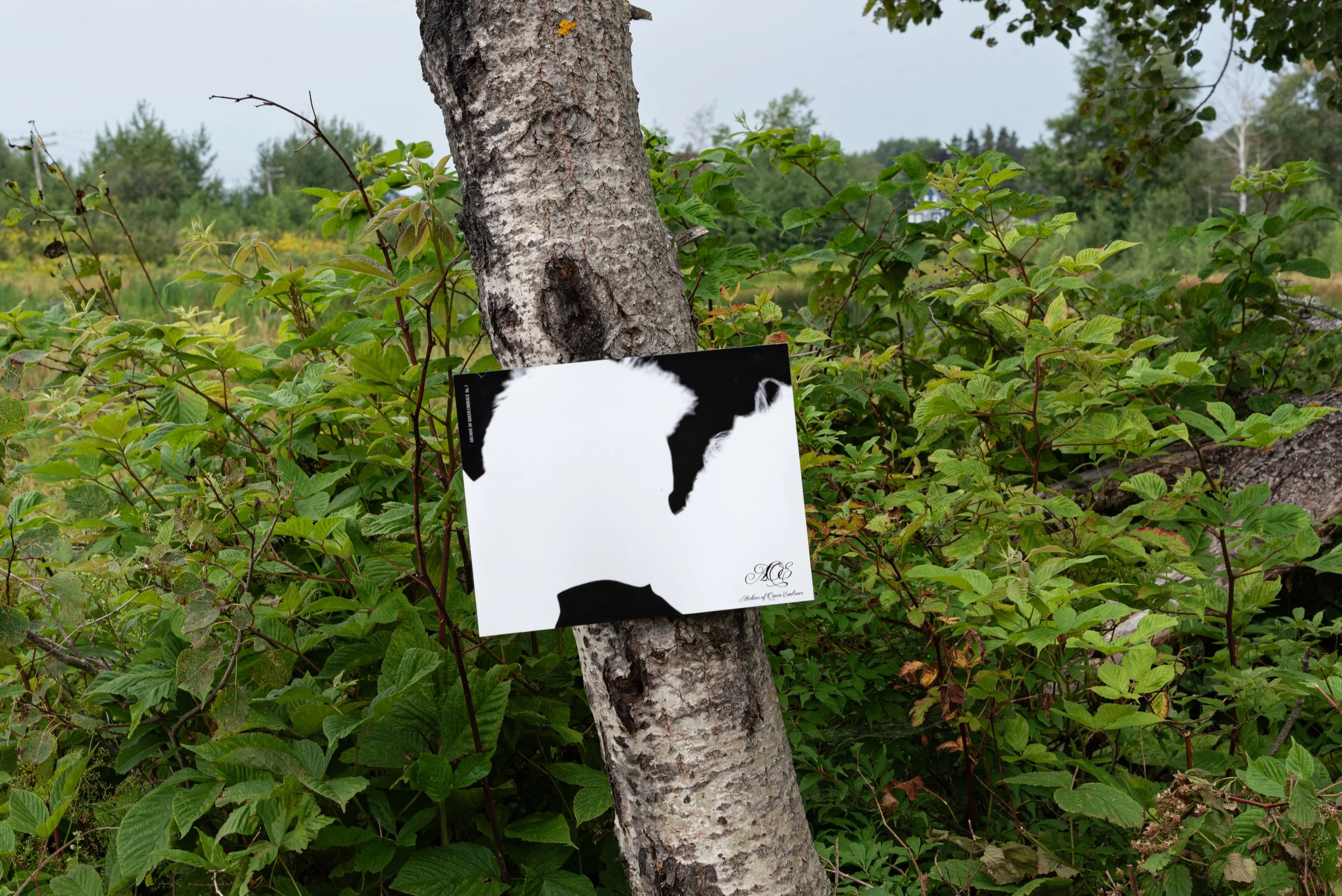
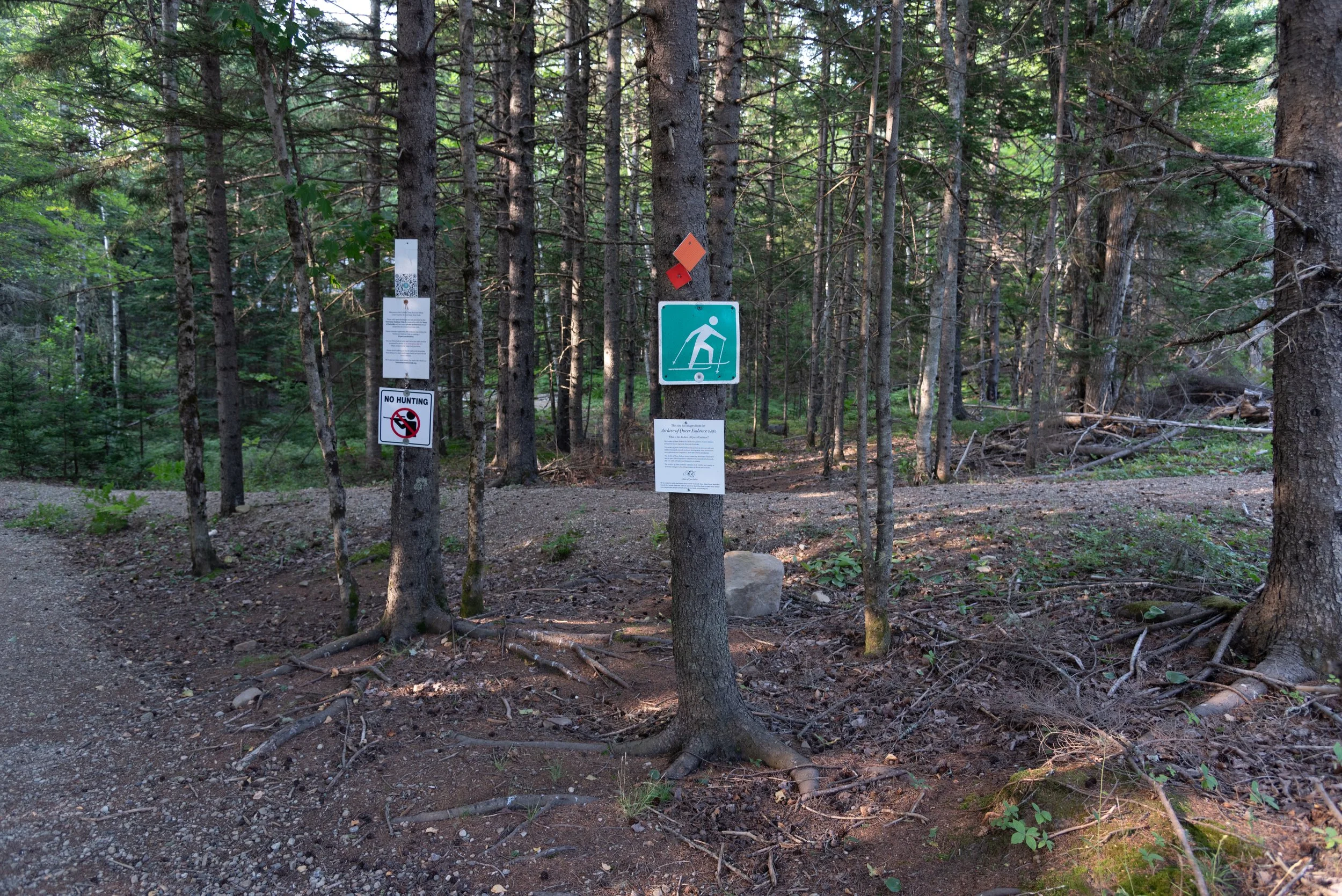
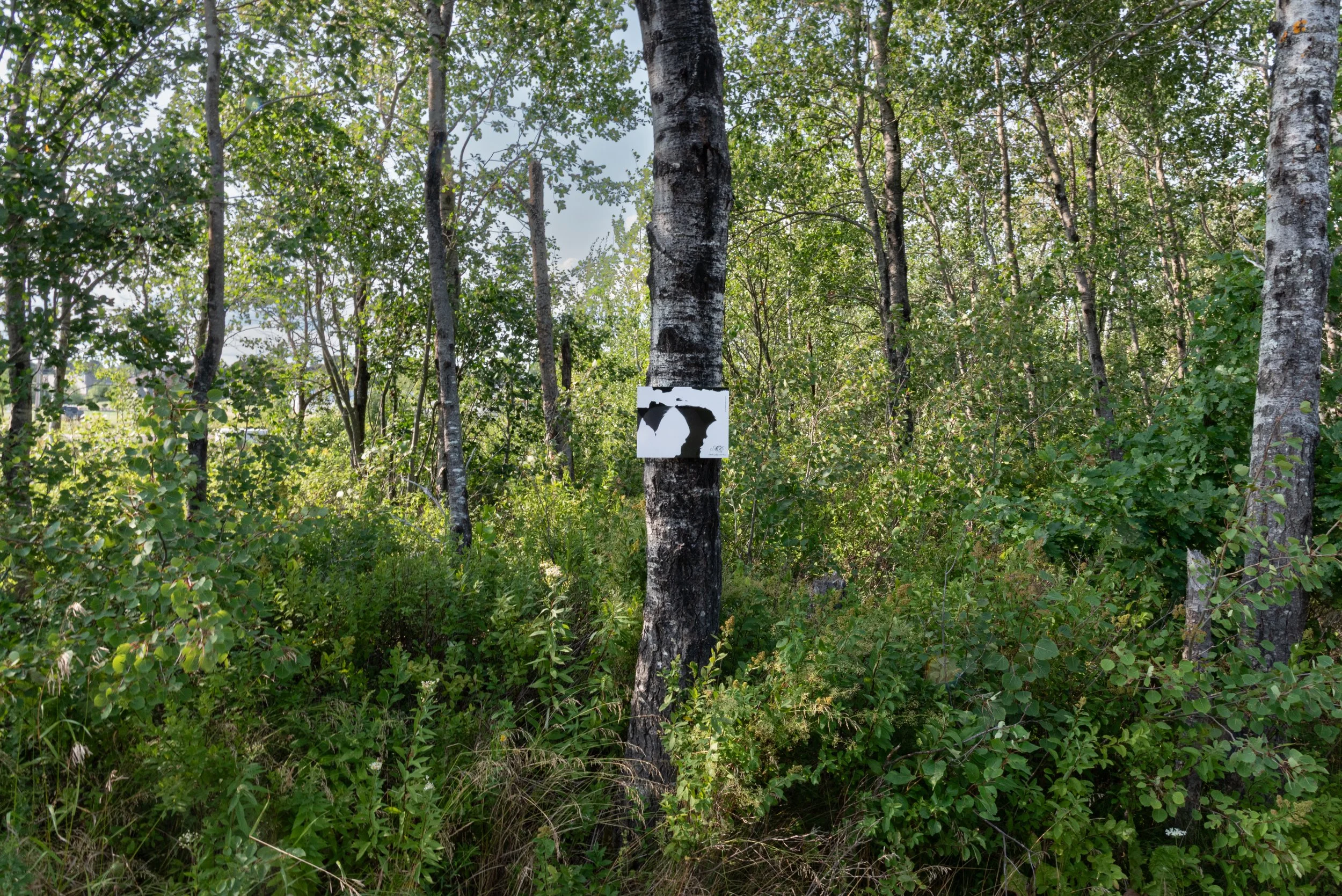
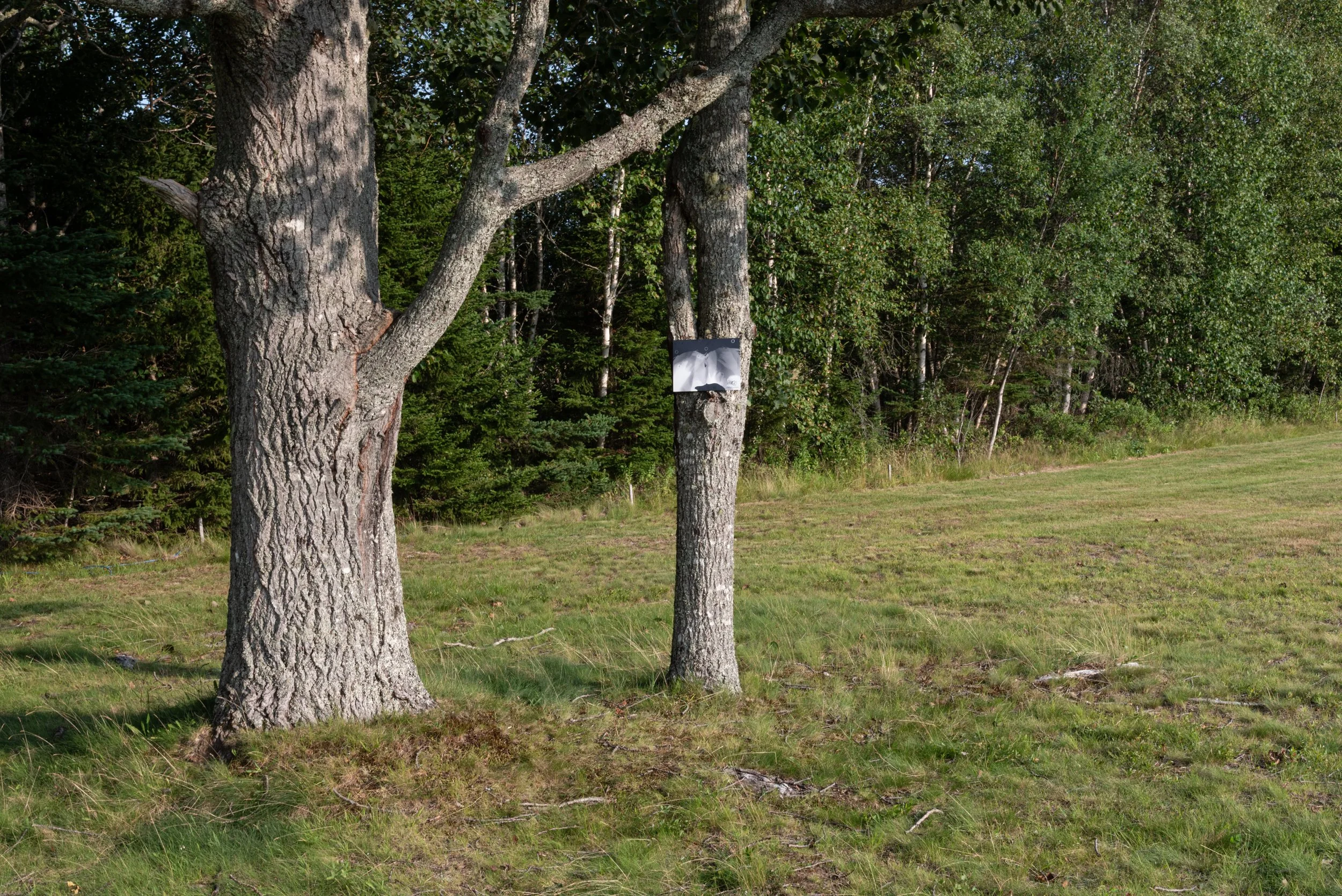
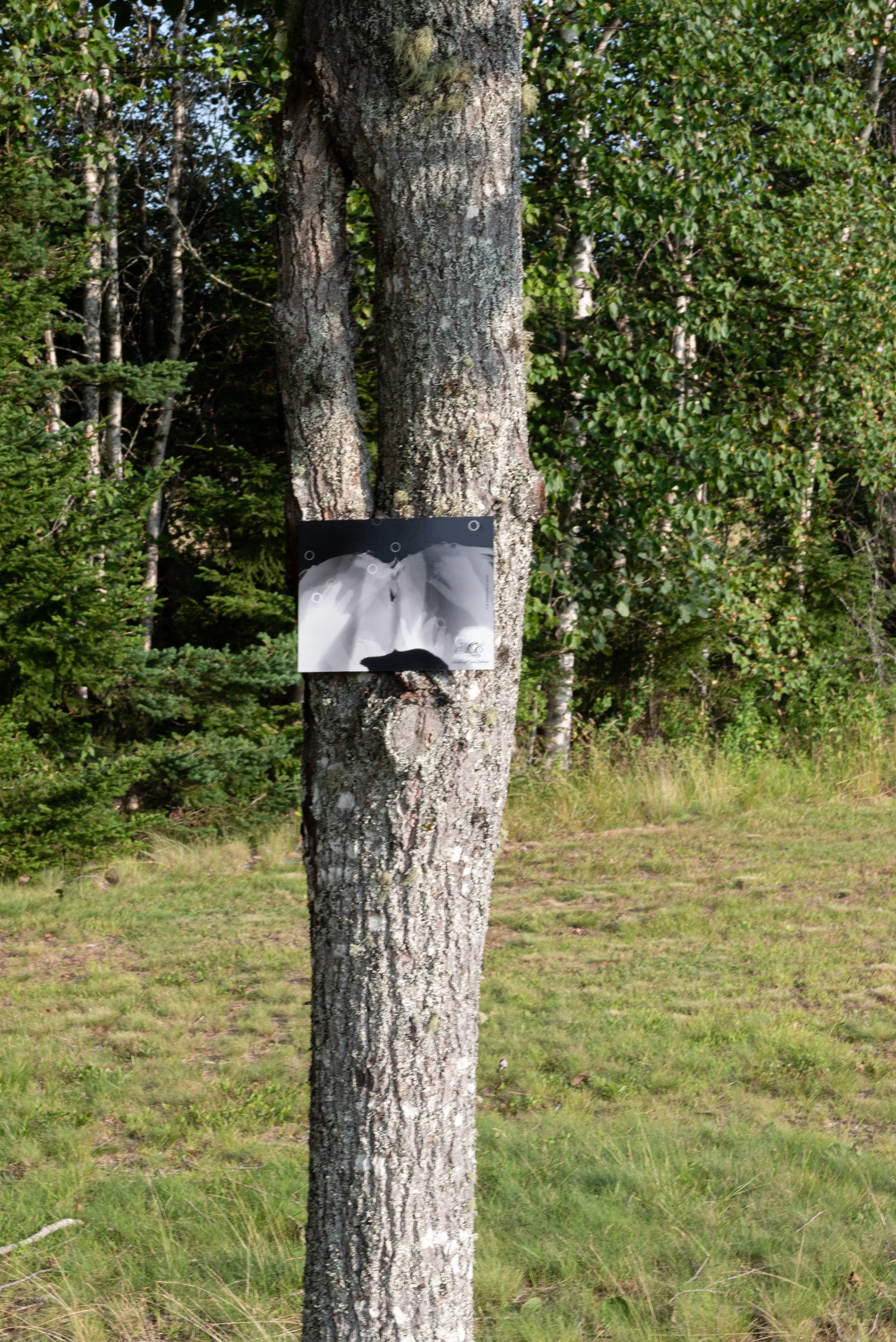
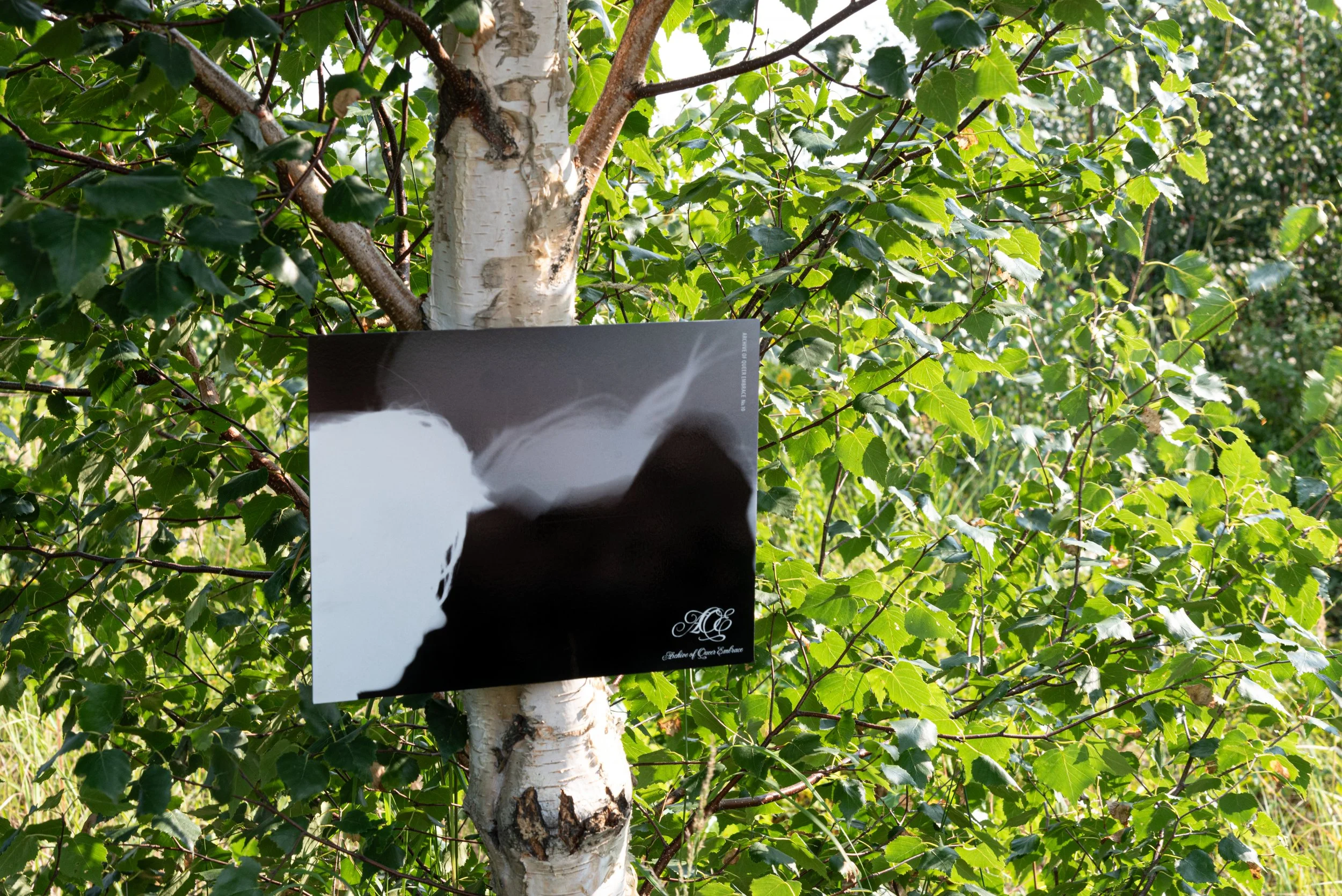
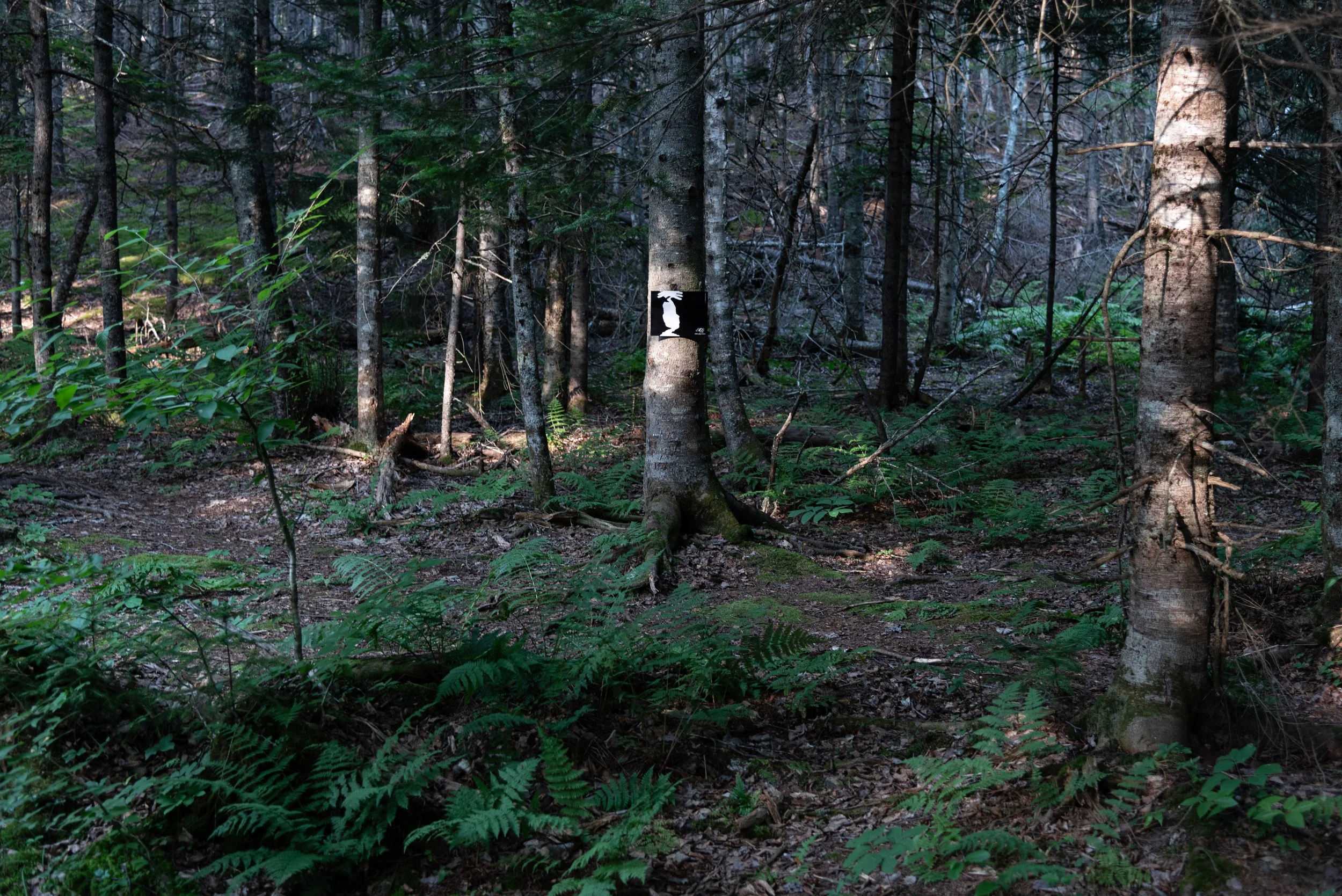
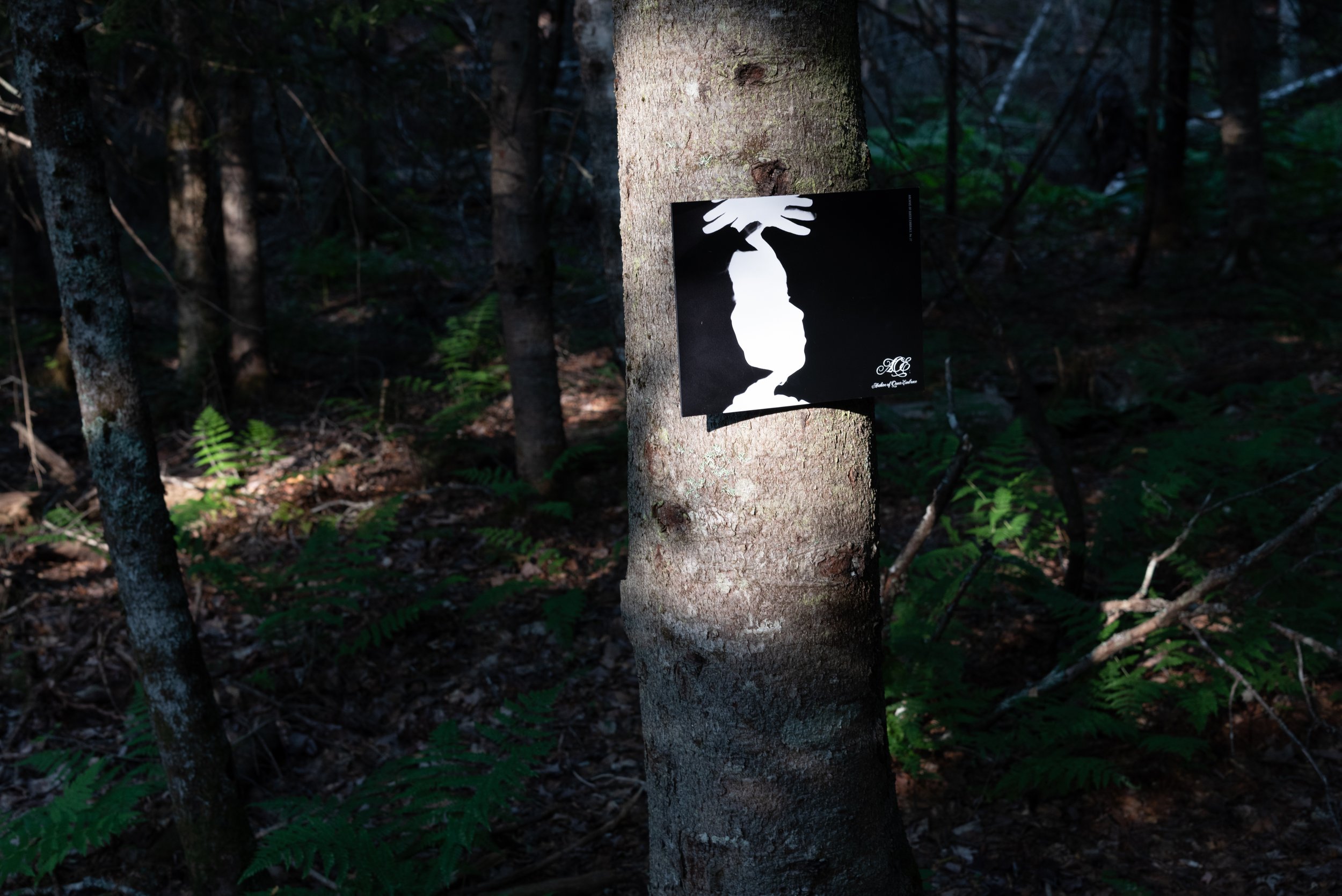
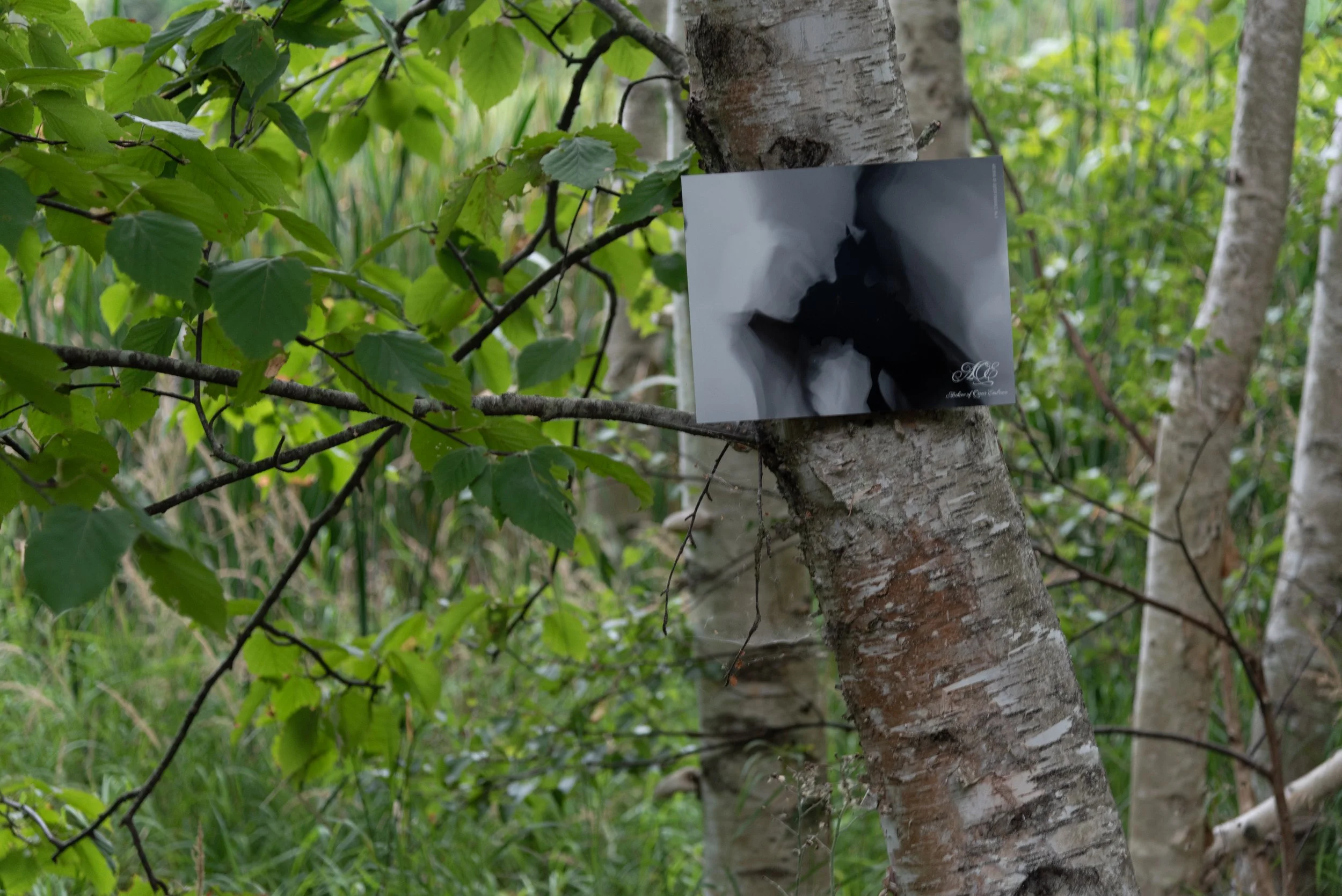
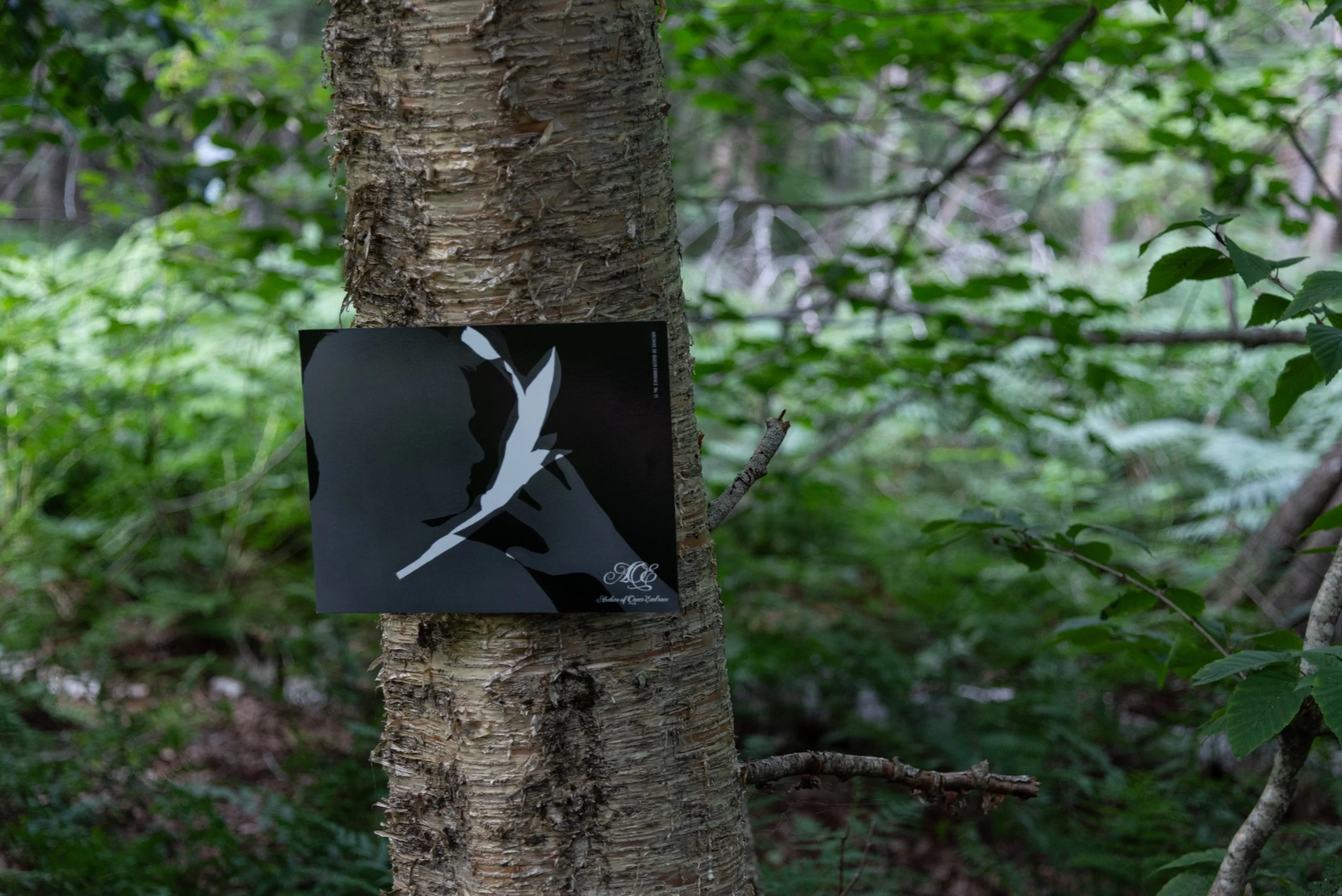
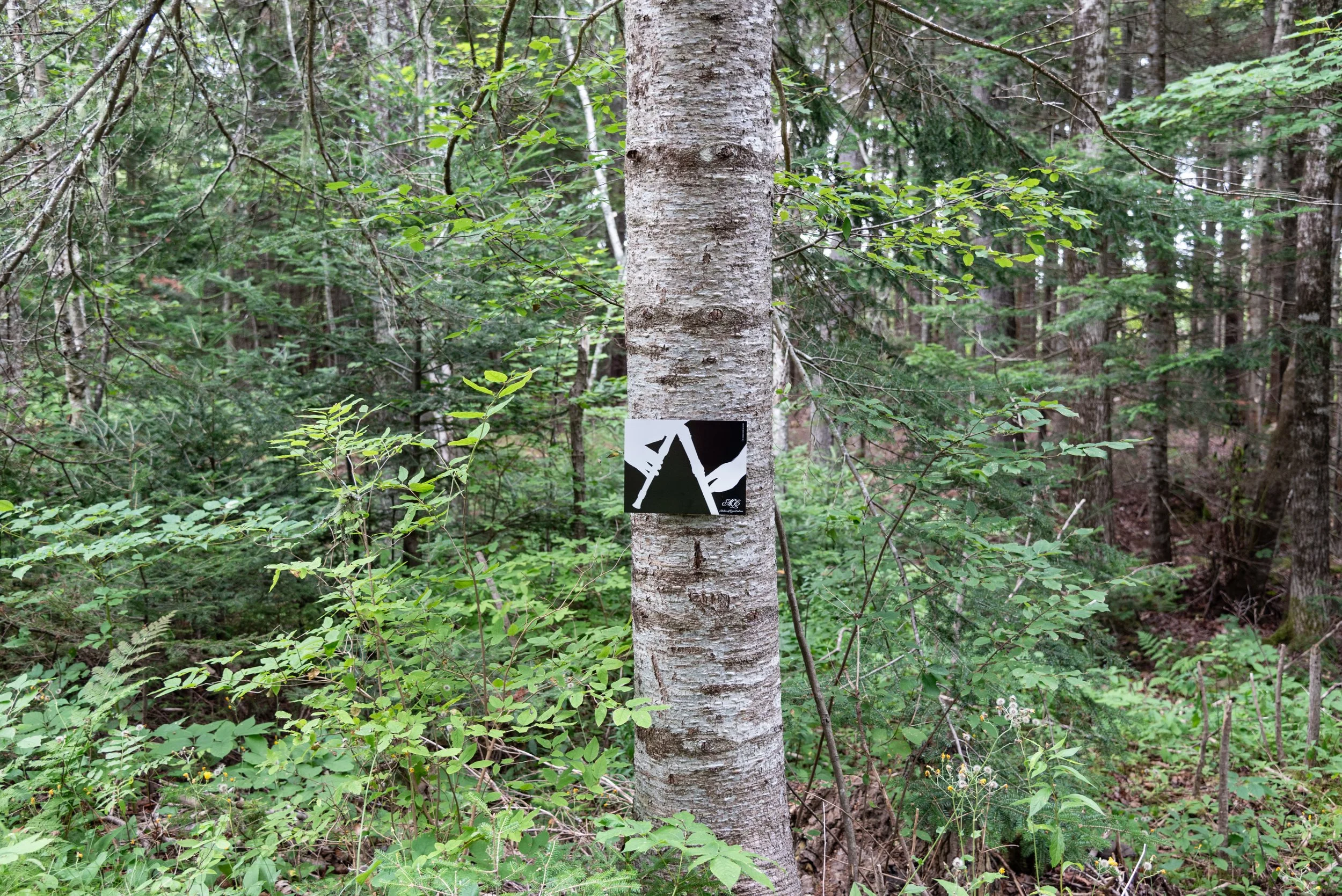
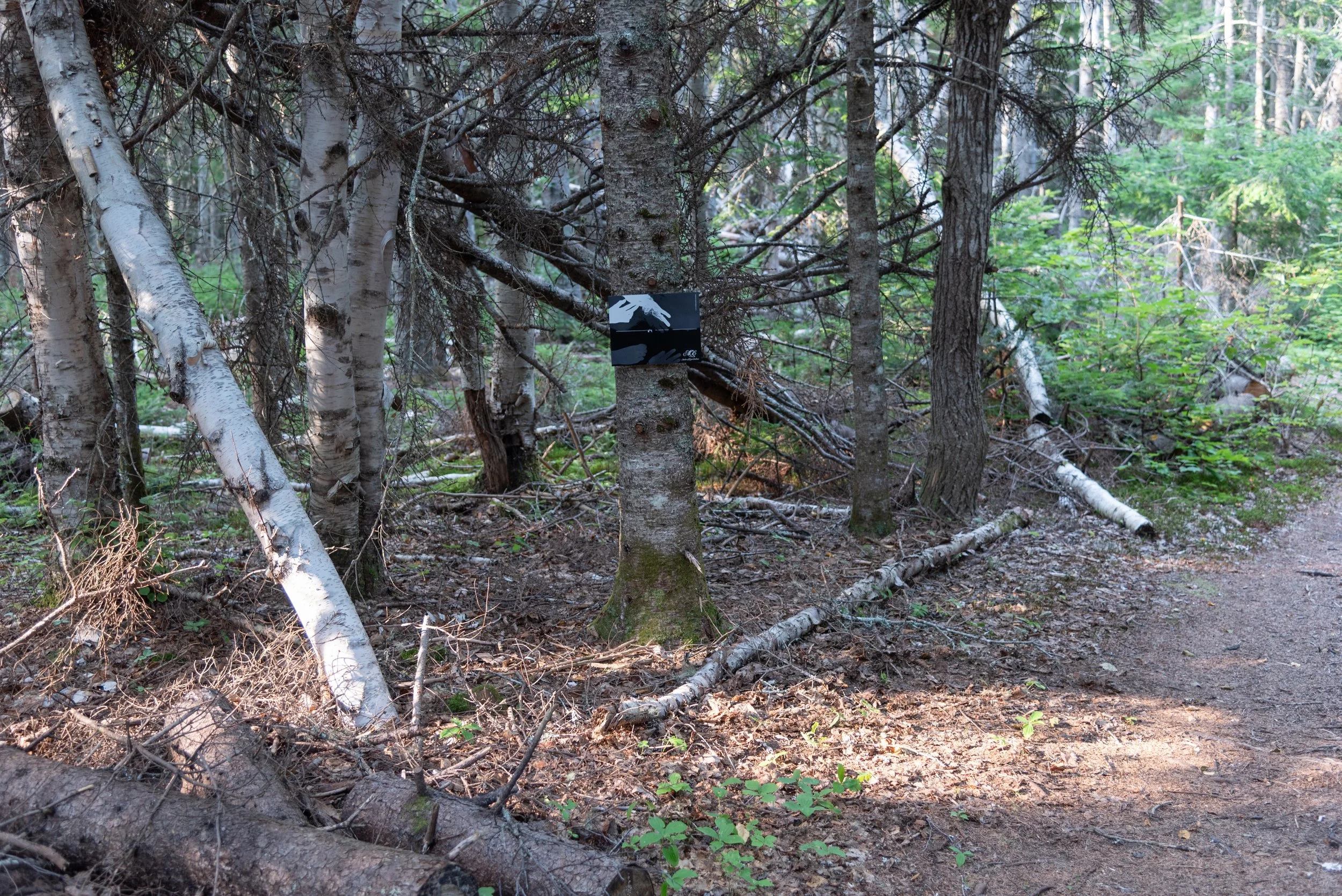
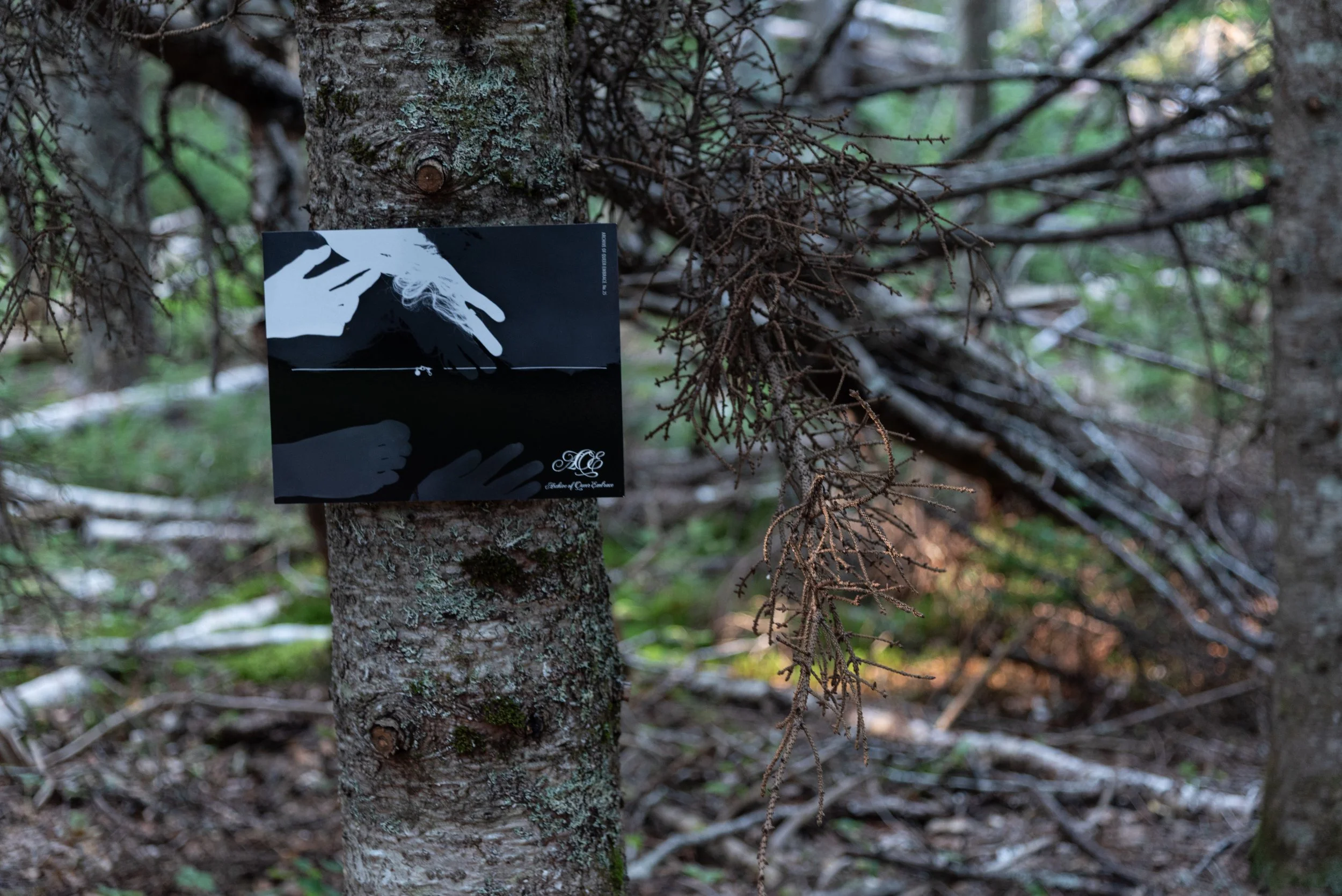
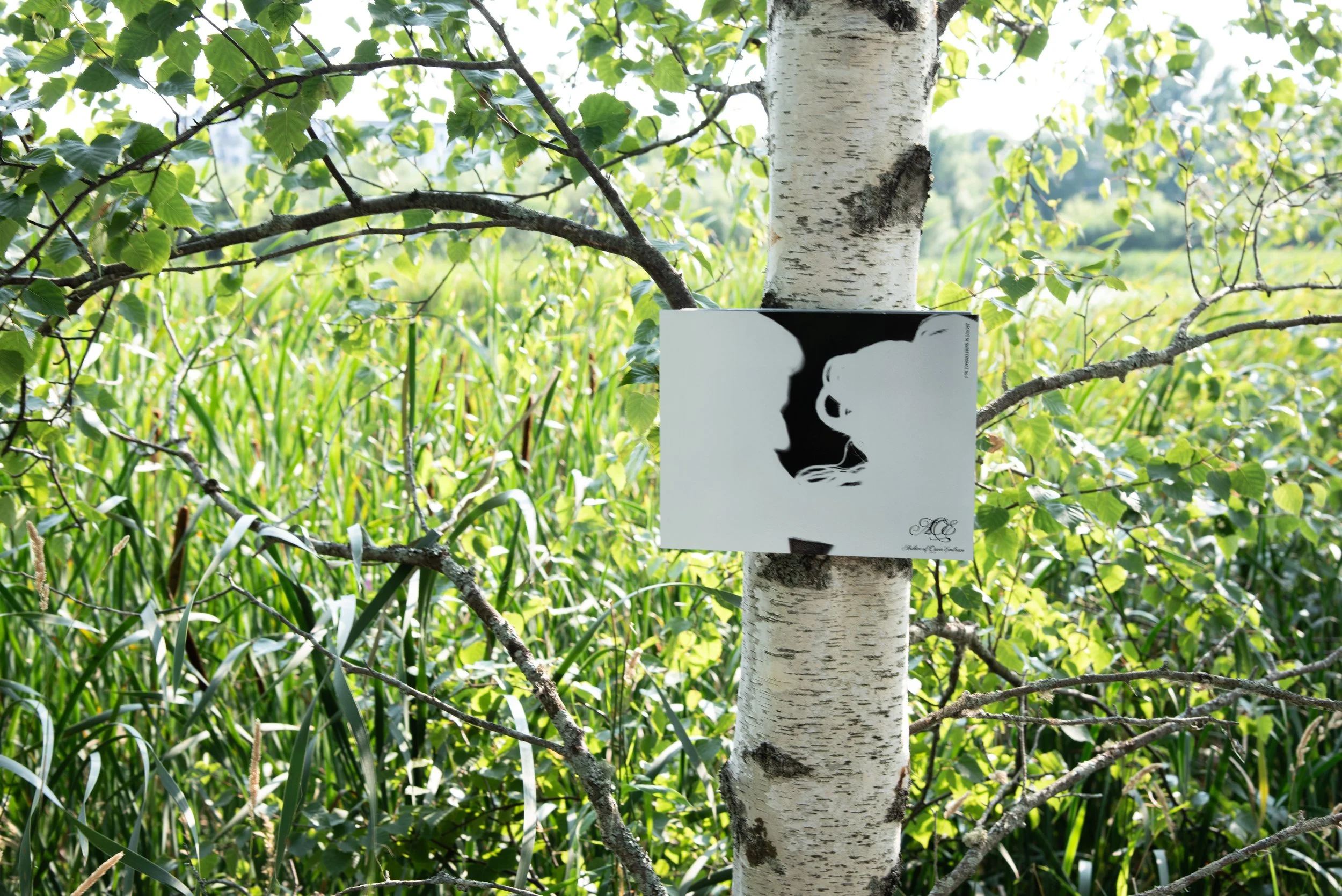
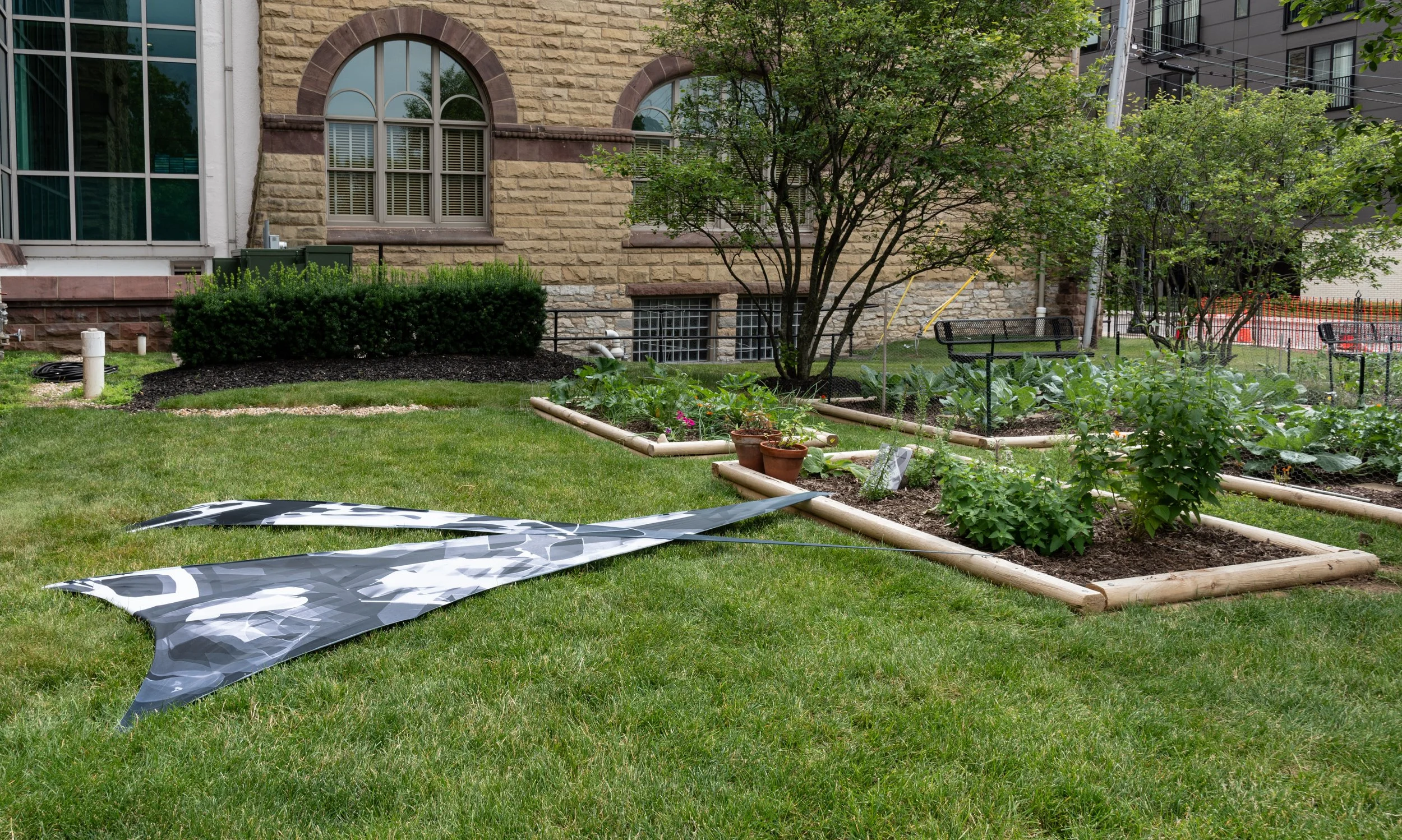
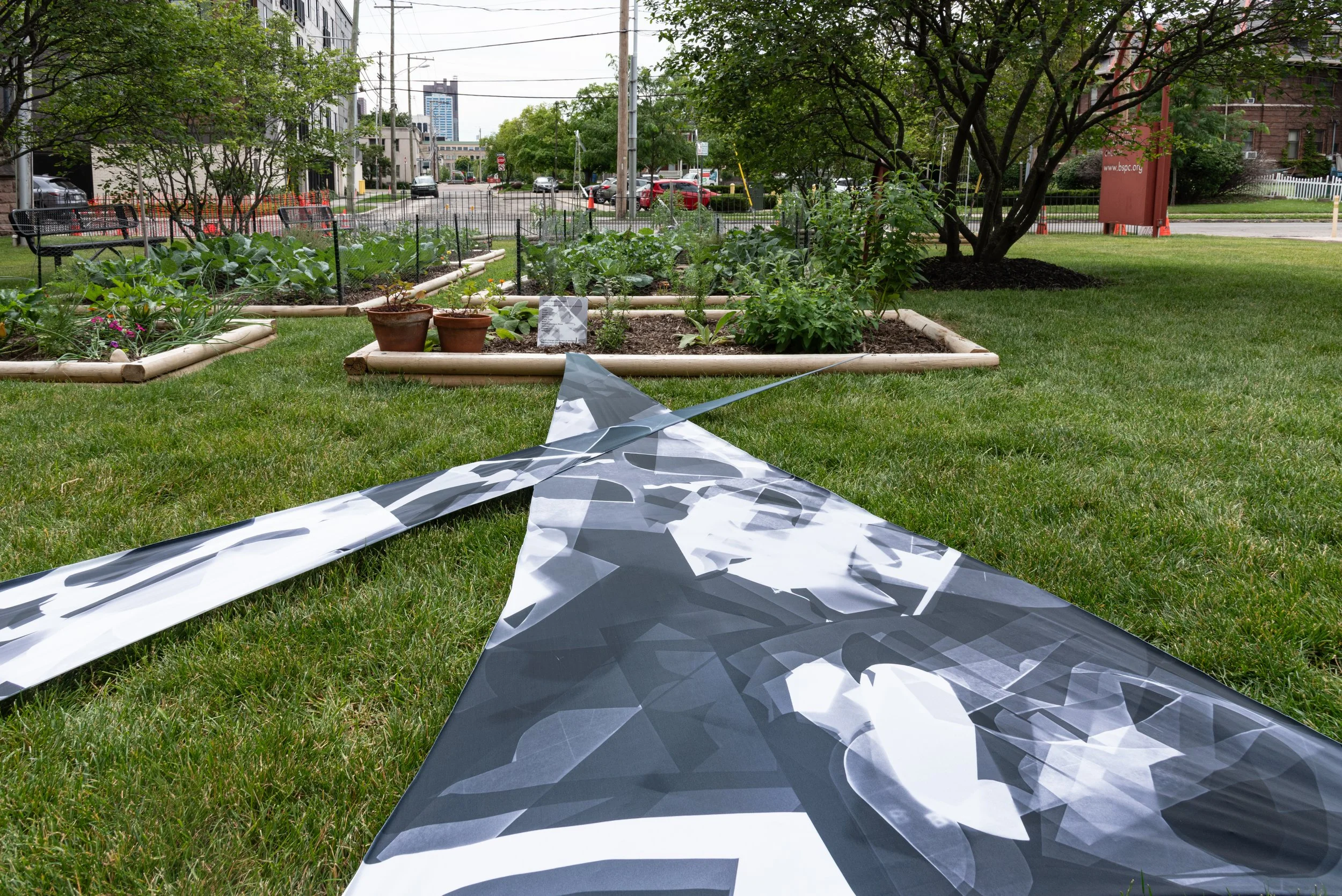
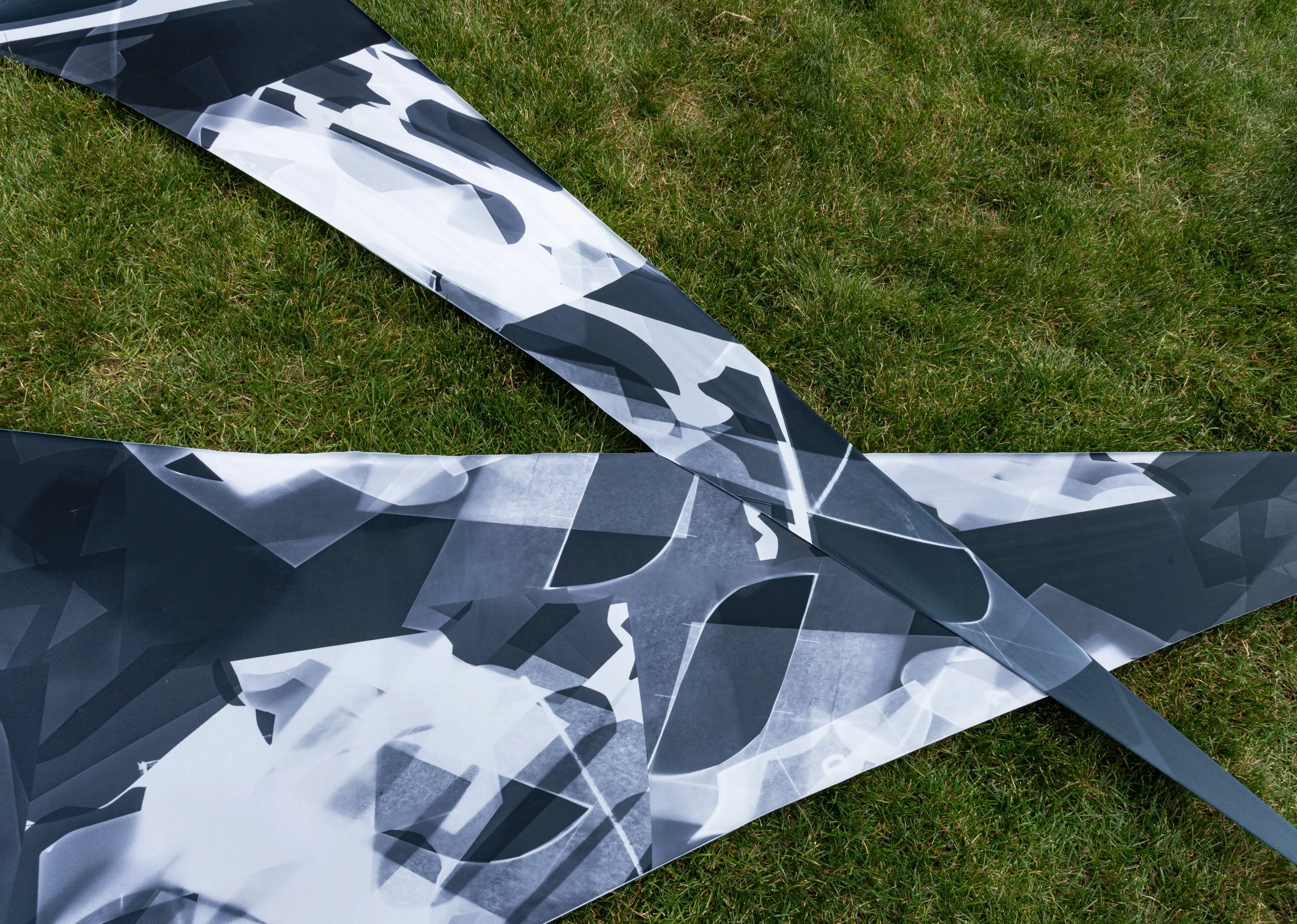
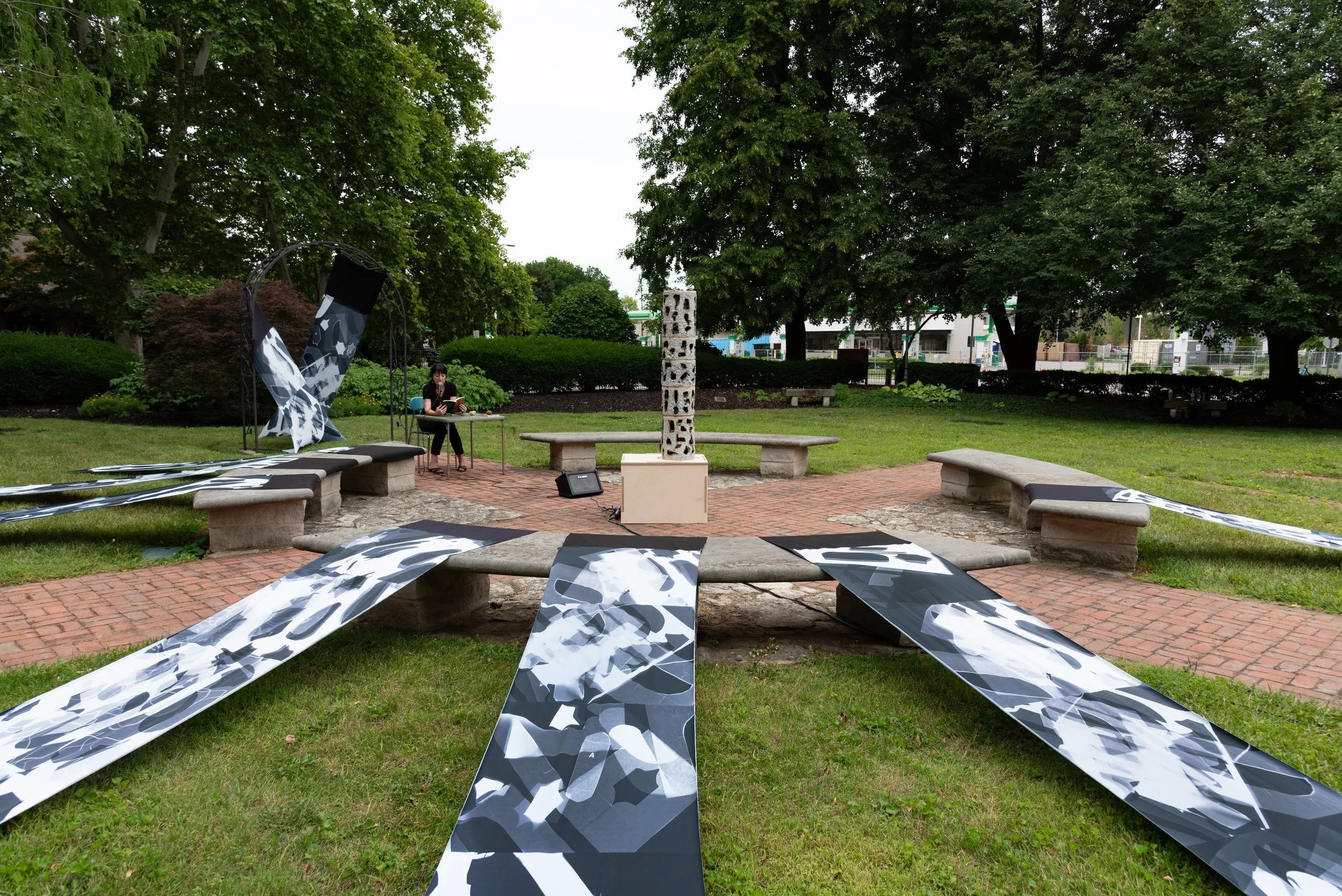
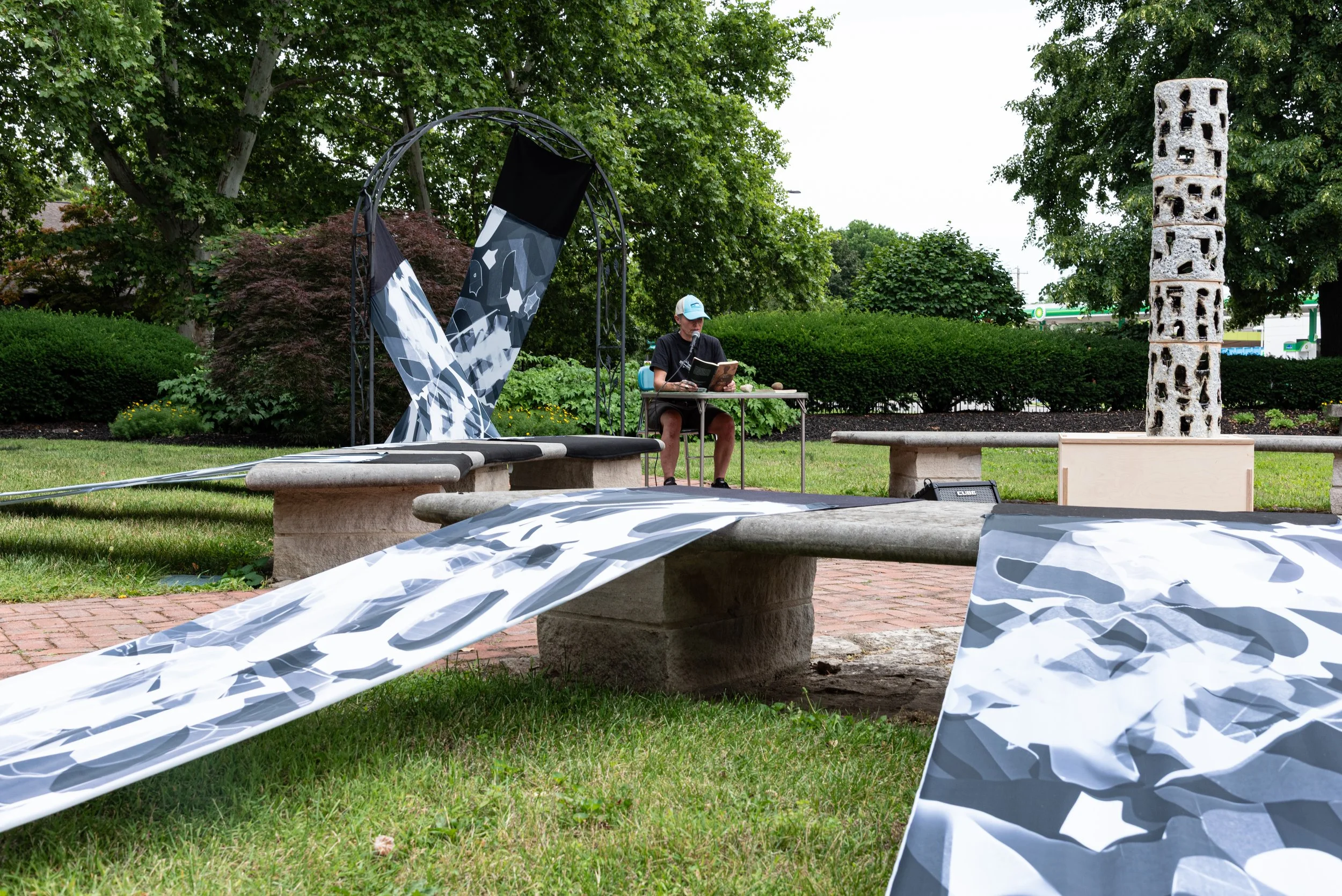
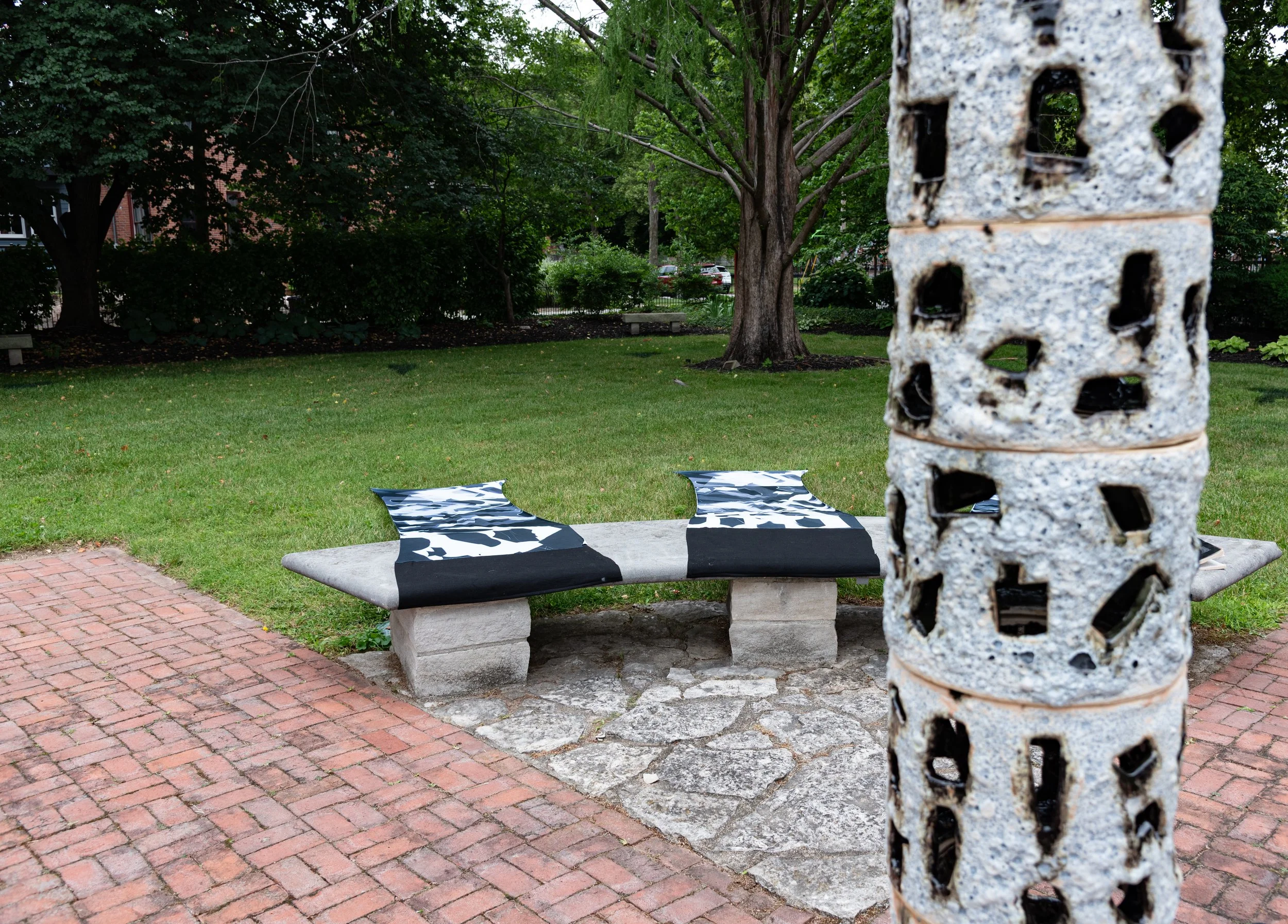
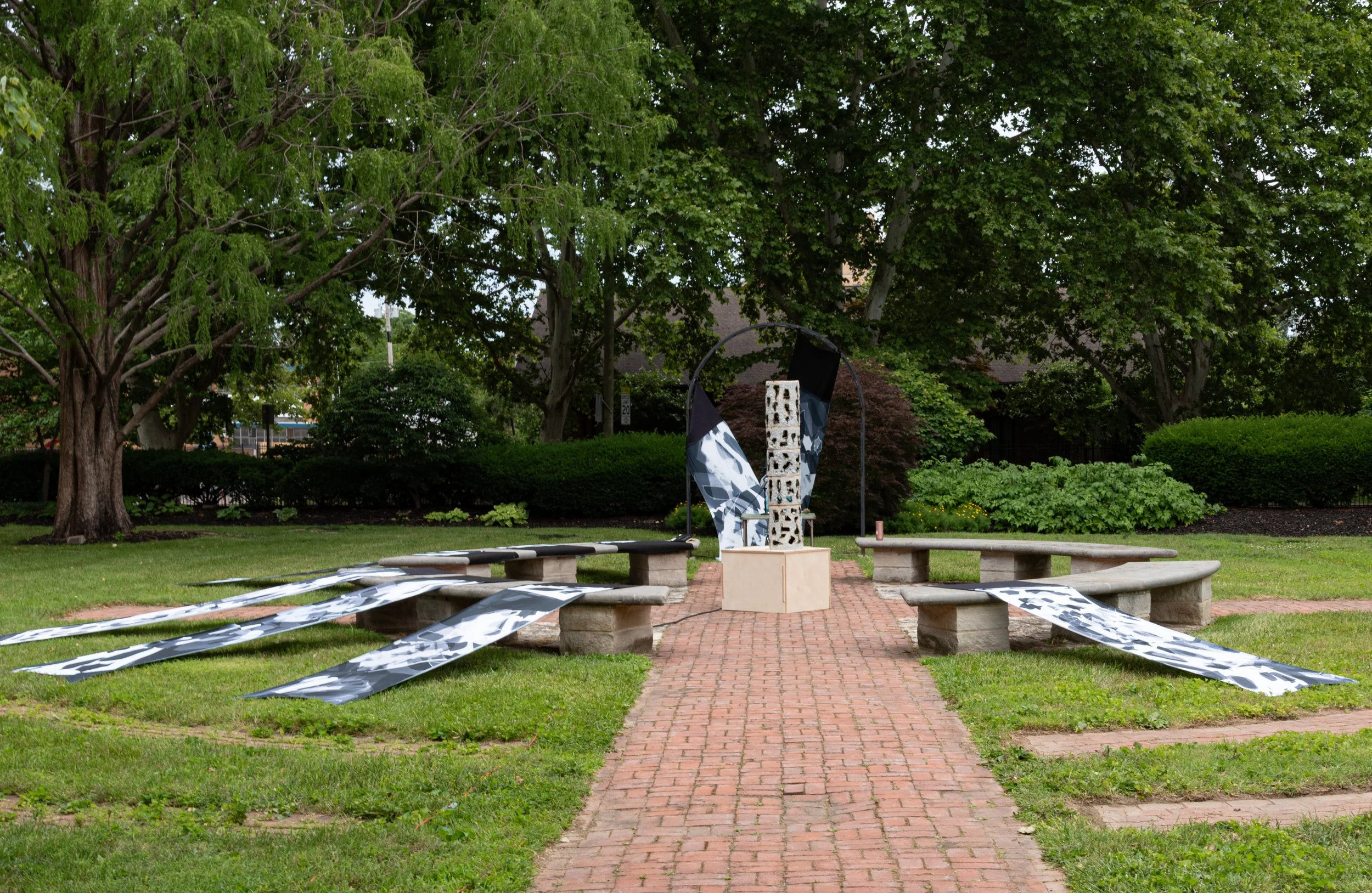
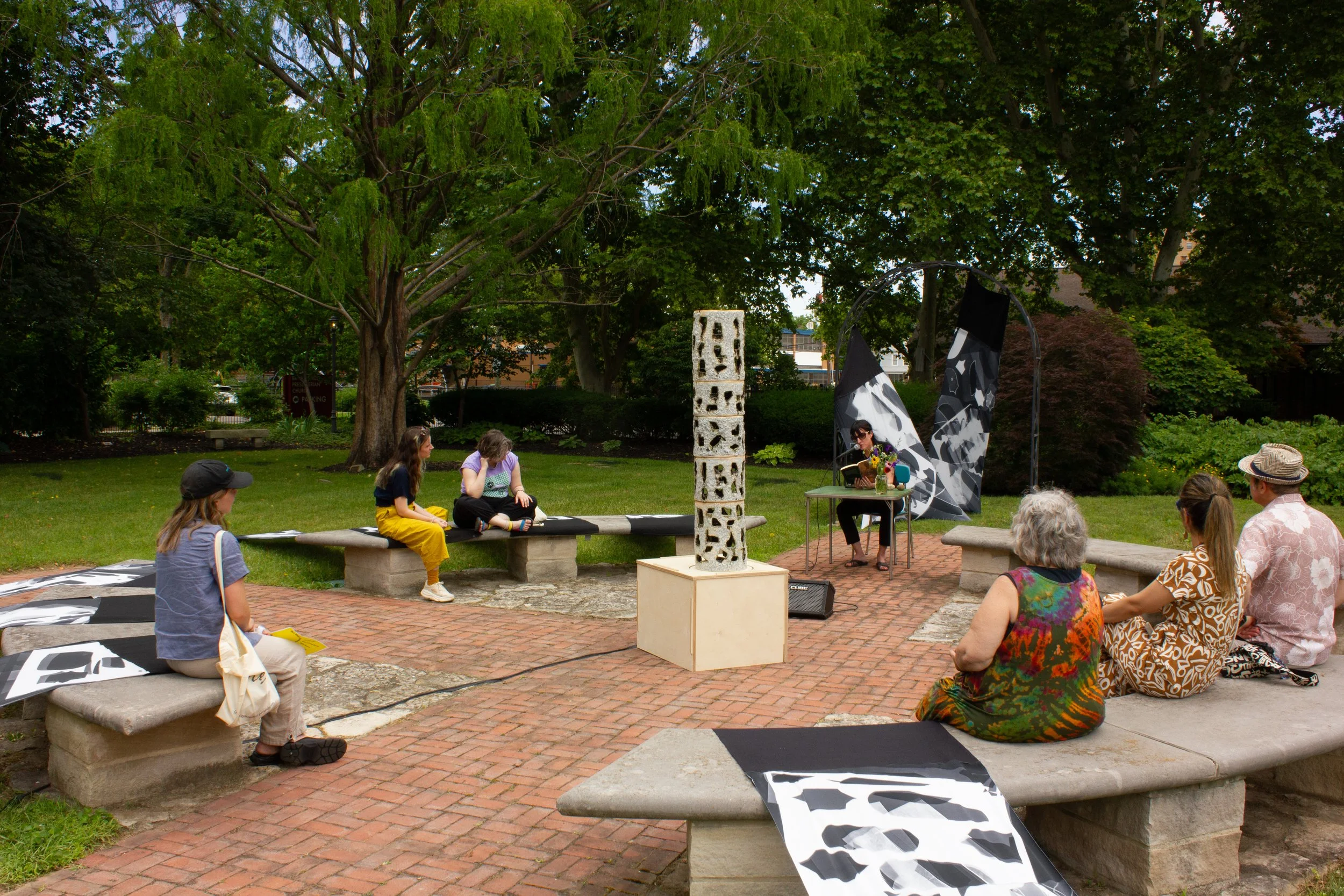
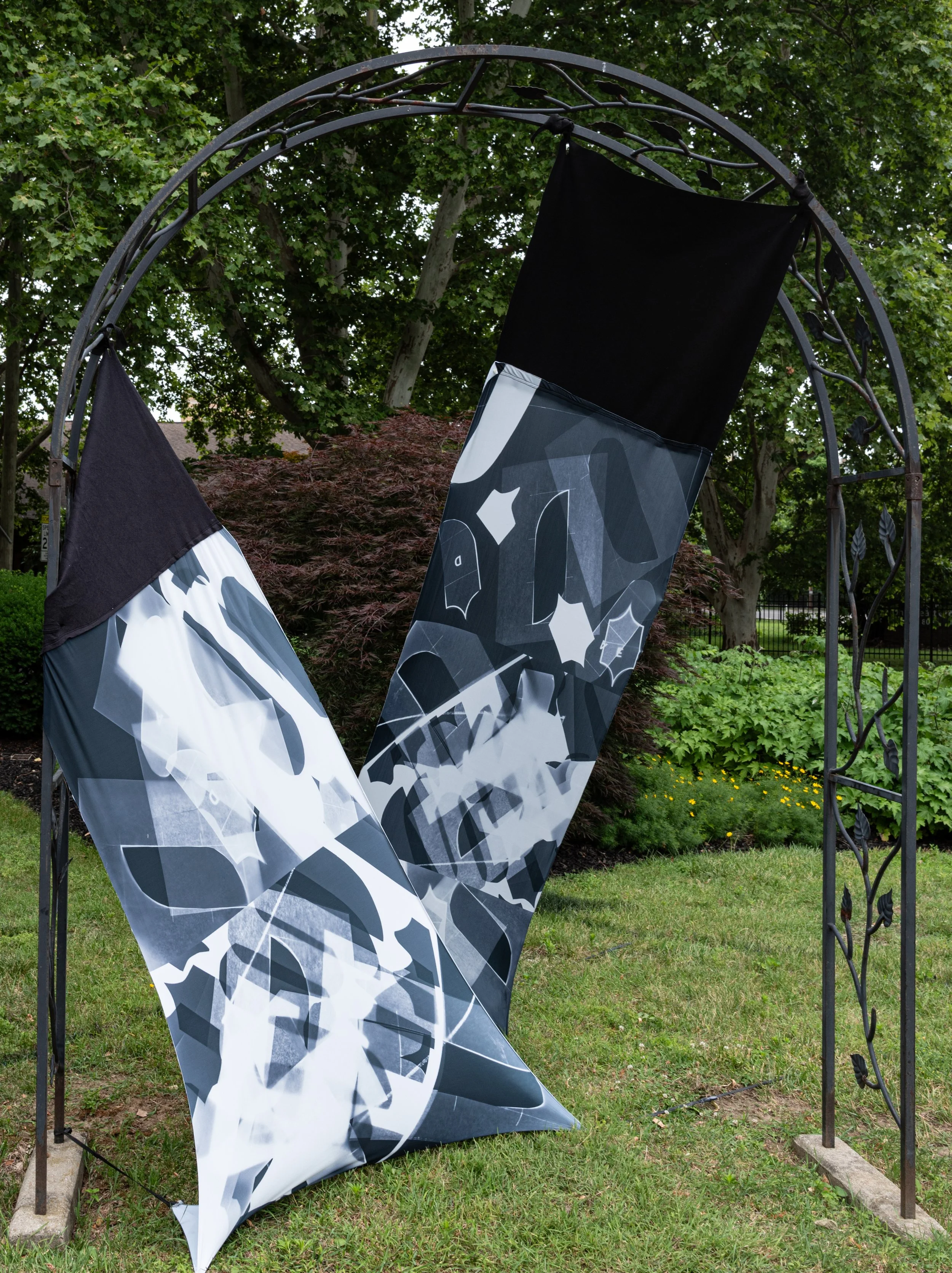
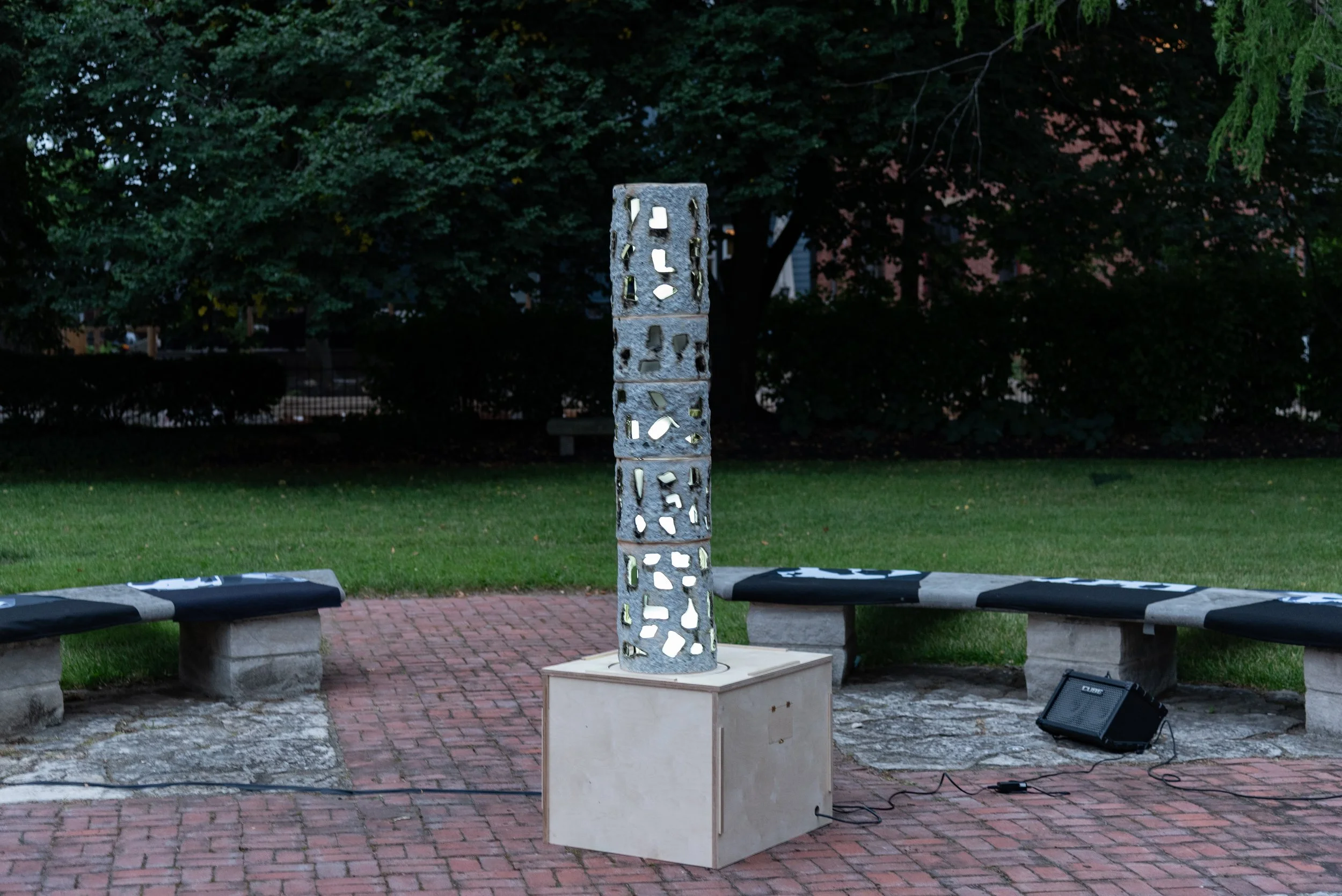
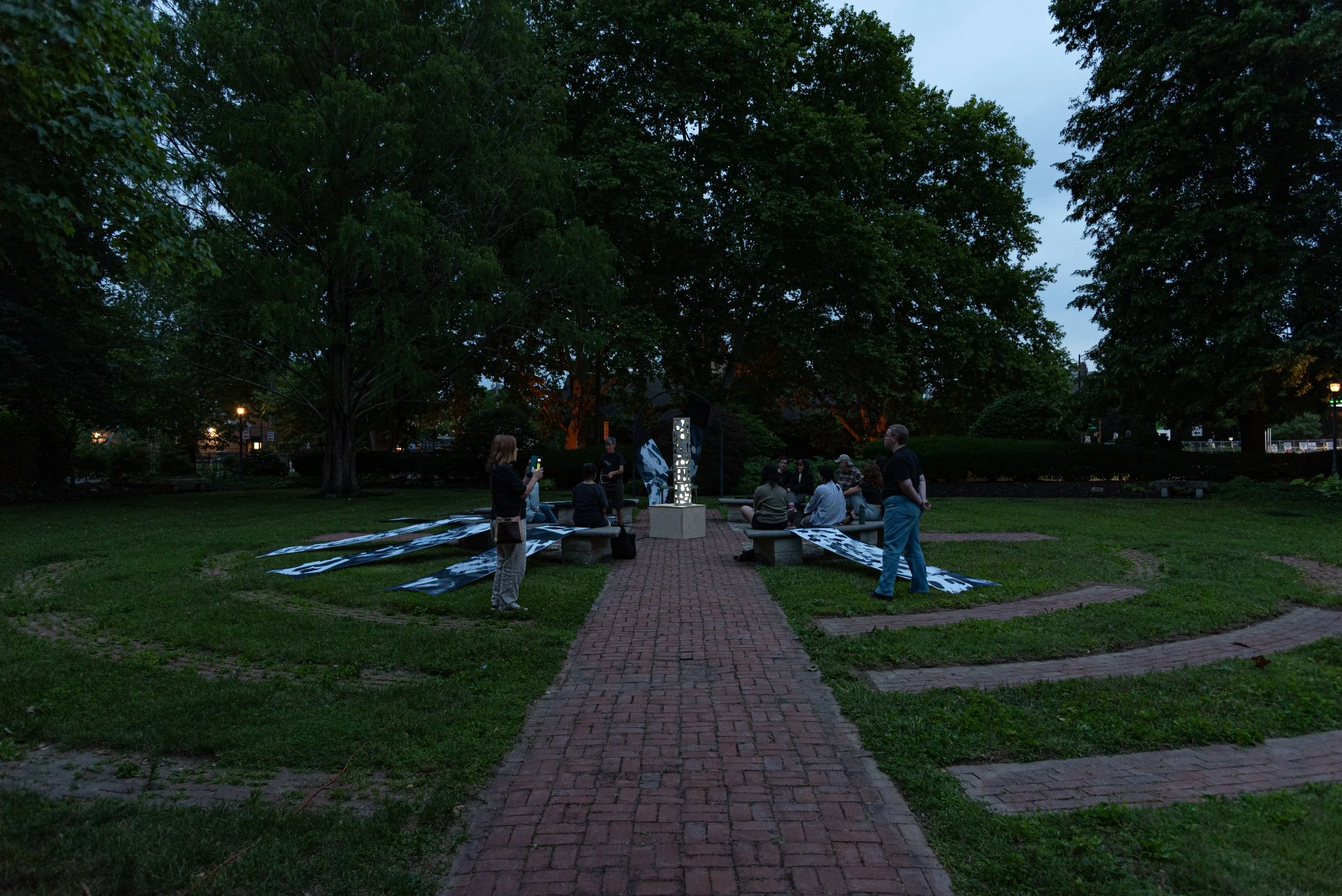
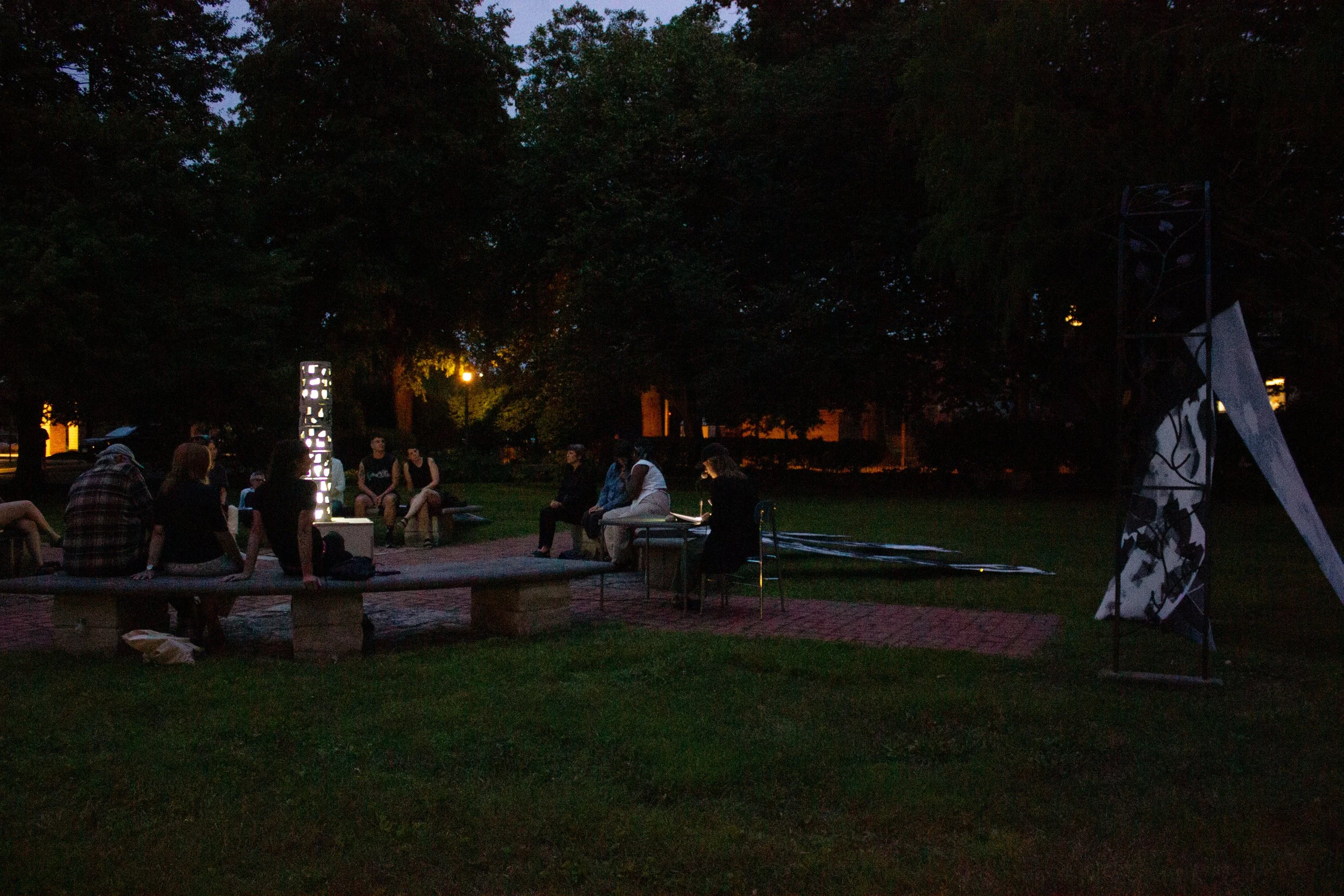
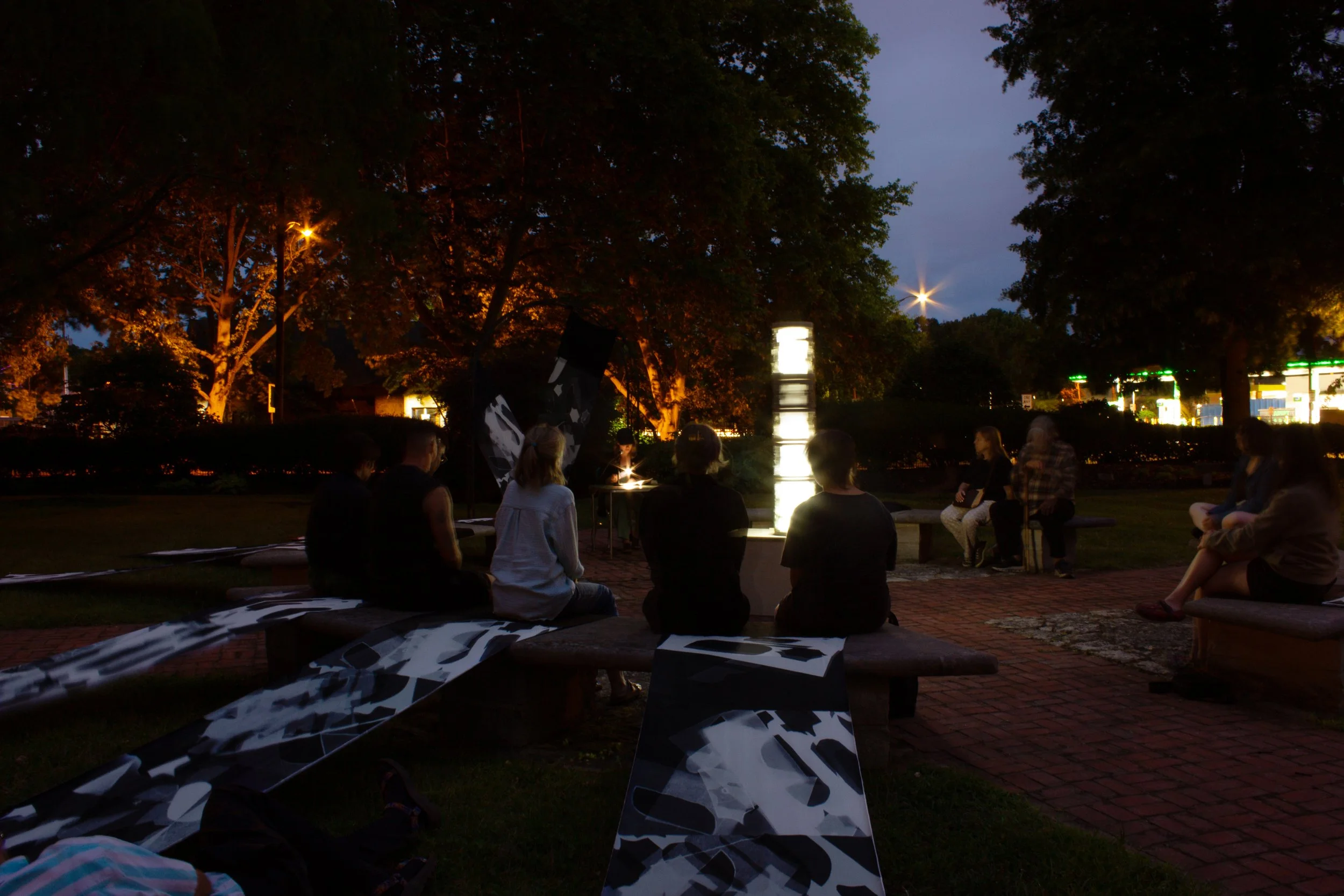
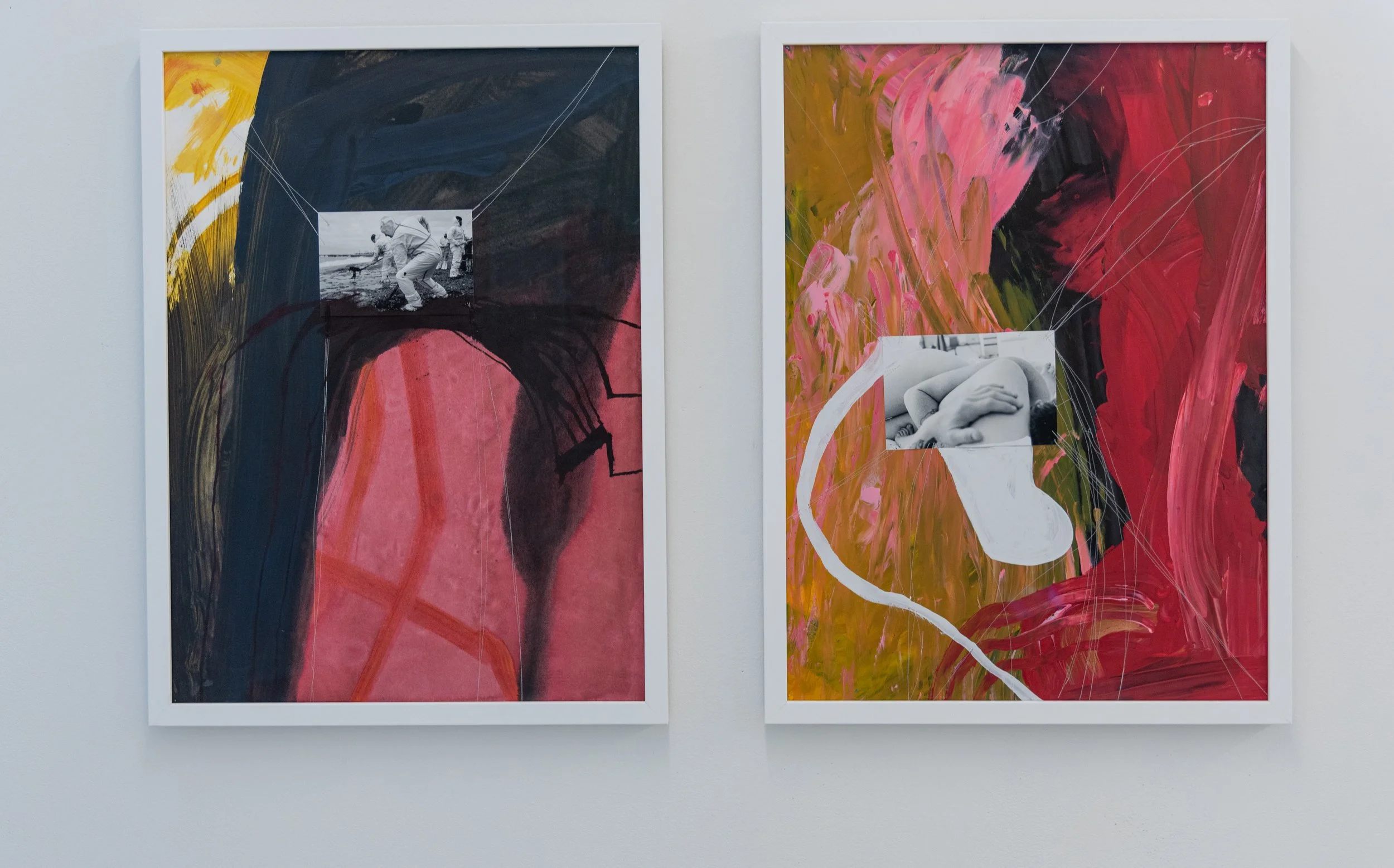
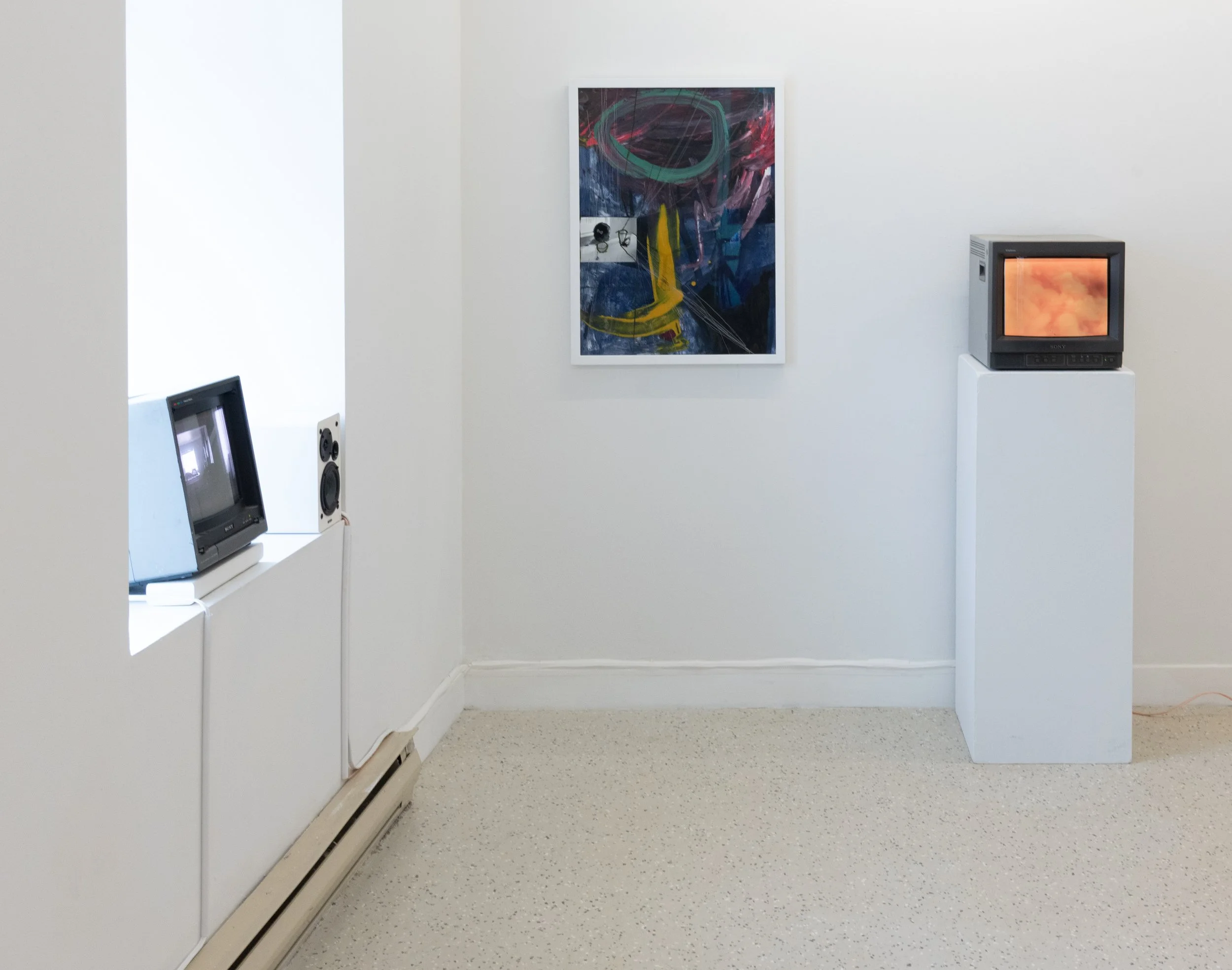
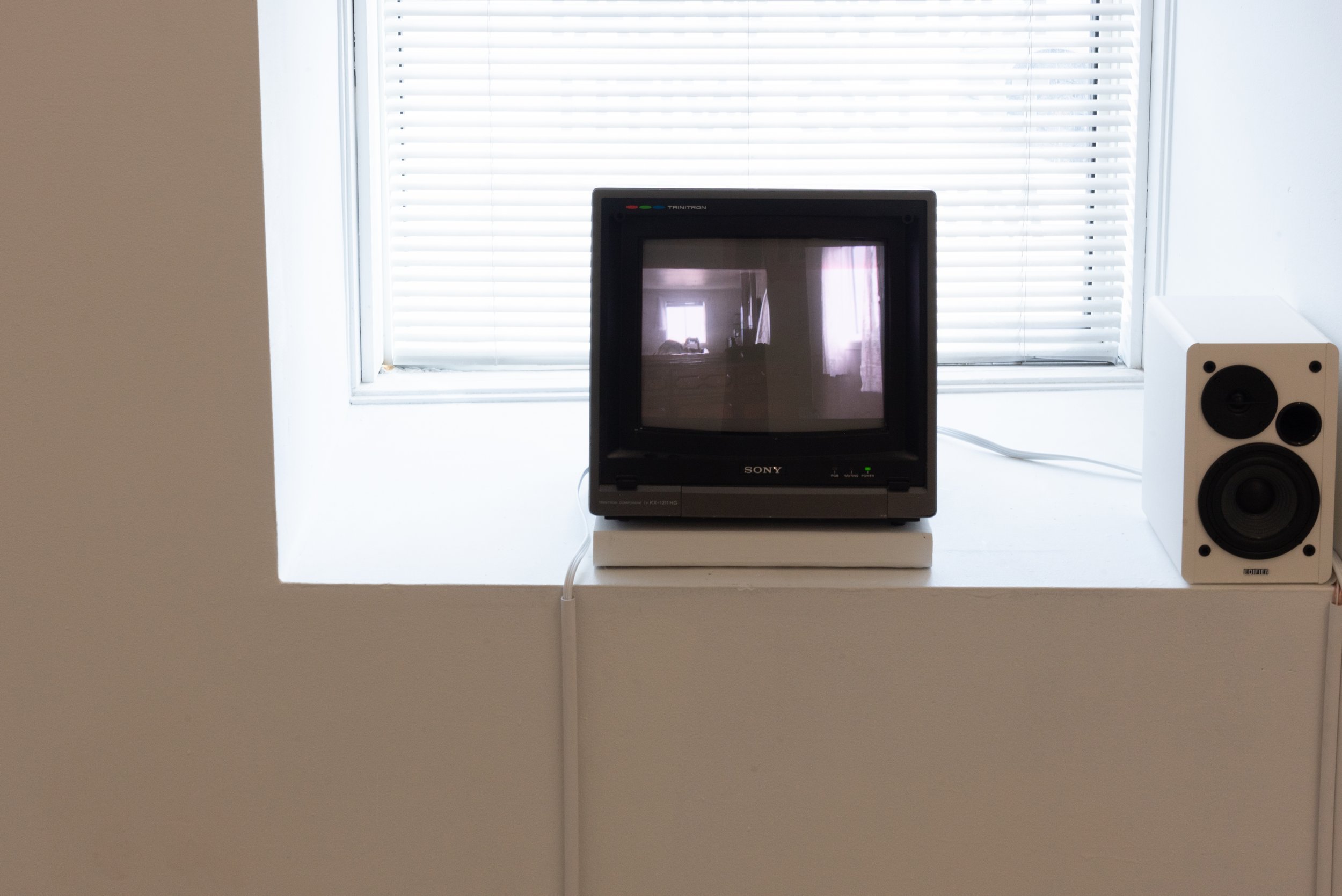
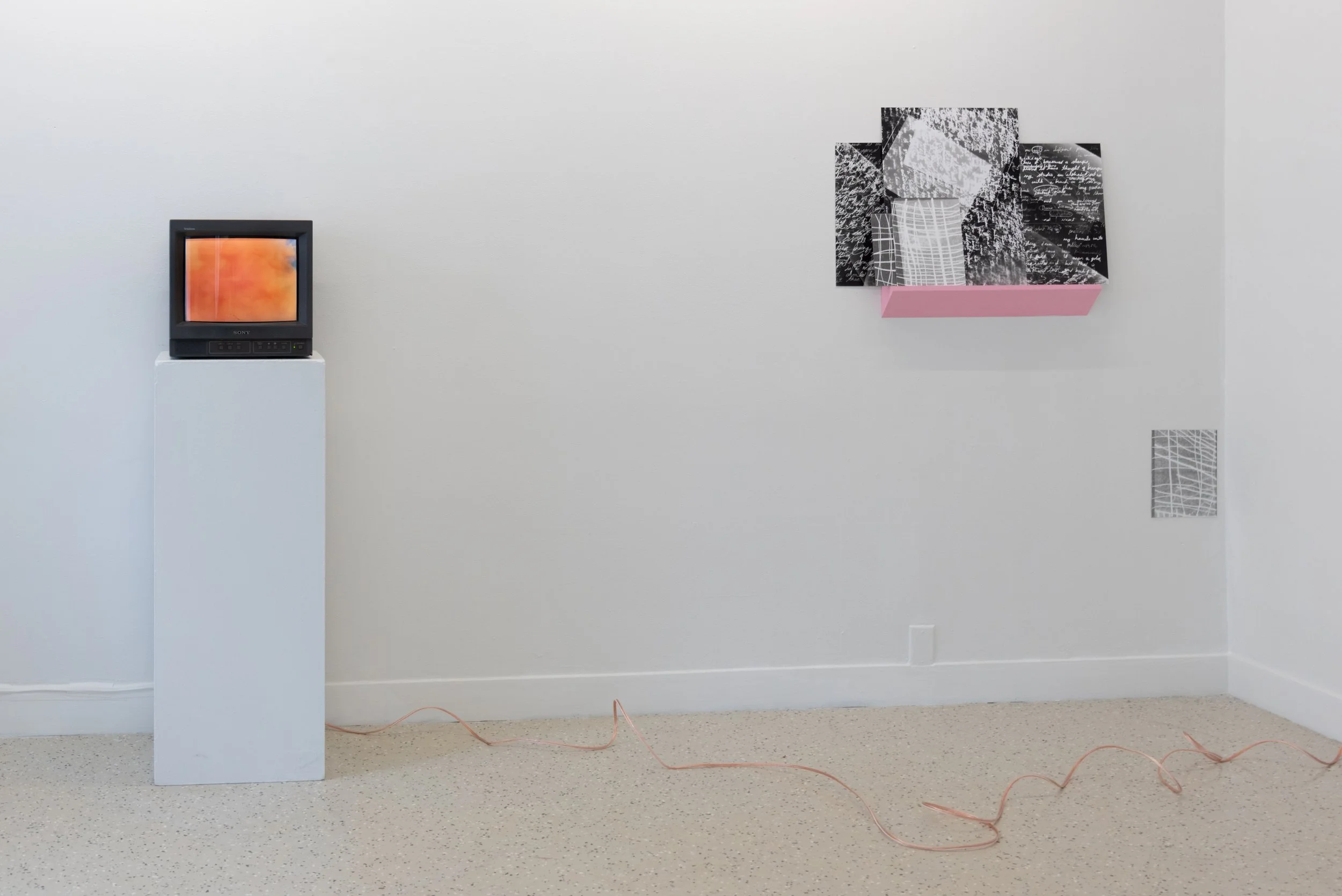
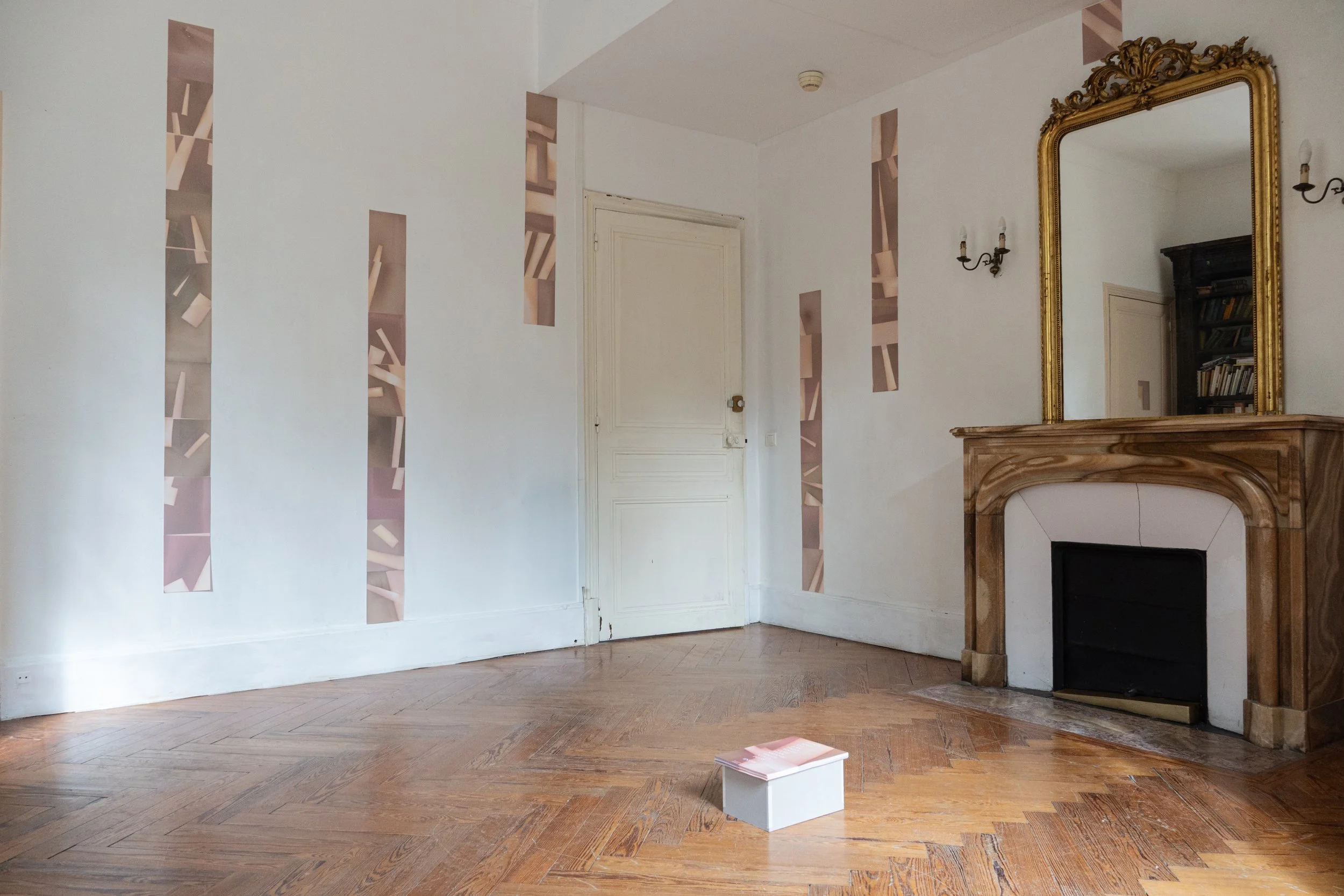
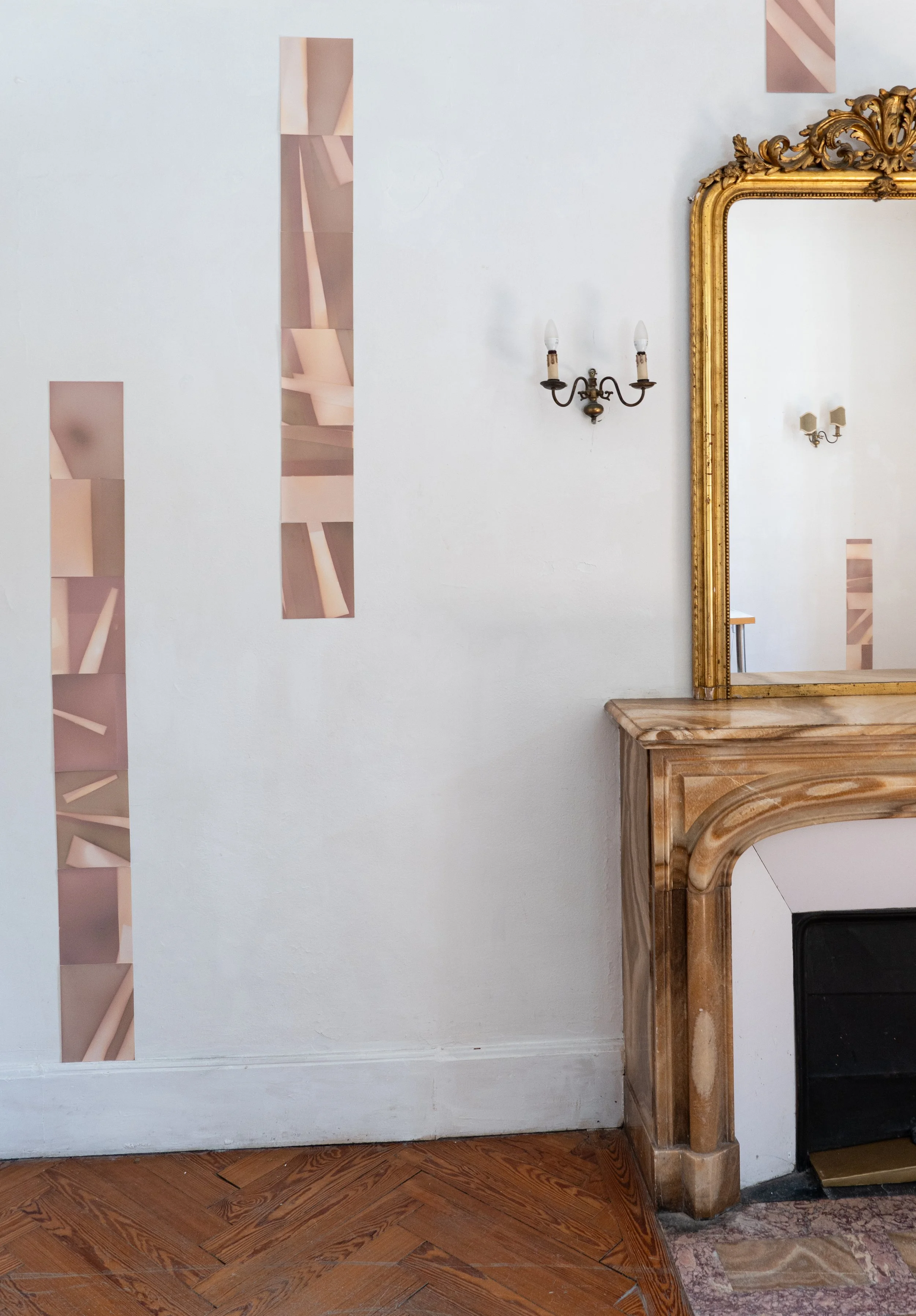
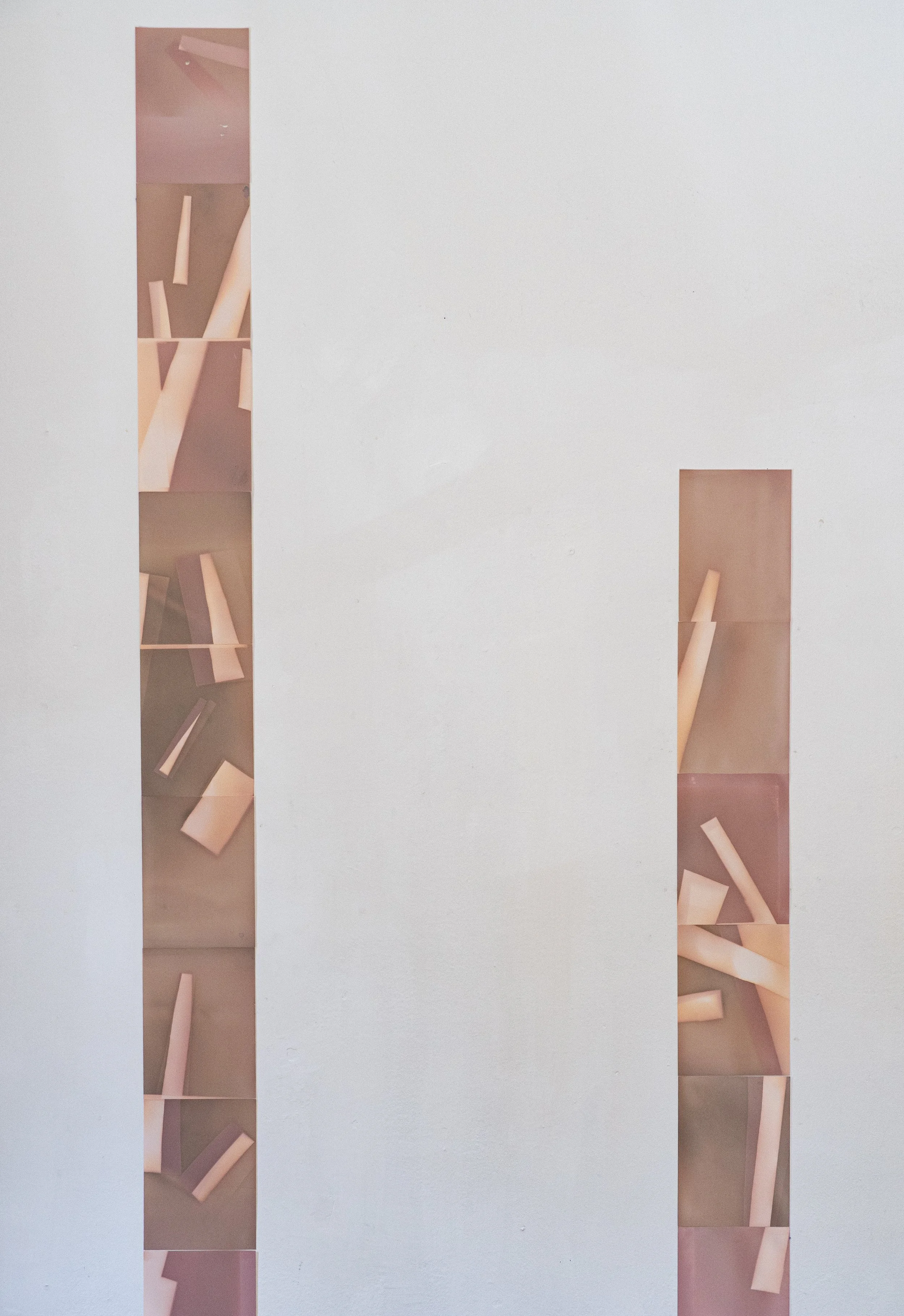
The Archive of Queer Embrace (AQE) uses the documentary truth of photography and the performative potential of queer intimacy to create photographic portraits that are installed in various parks and trails of Tantramar, New Brunswick. The project is realized by artist Sheilah ReStack, who was the Pierre Lassonde Visiting Artist in residence at Mt. Allison for the winter semester 2026. ReStack worked with Mt. Allison Studio Art interns to solicit regional participants for the project, as well as local art organizations and community groups. The call that was put out was a request for, queer identified to come to the darkroom, and have their image taken with the people(s) or object(s) they loved. The idea of touch, embrace, and the possibility of queer images becoming part of a public space and conversation was the initial impulse behind the work.
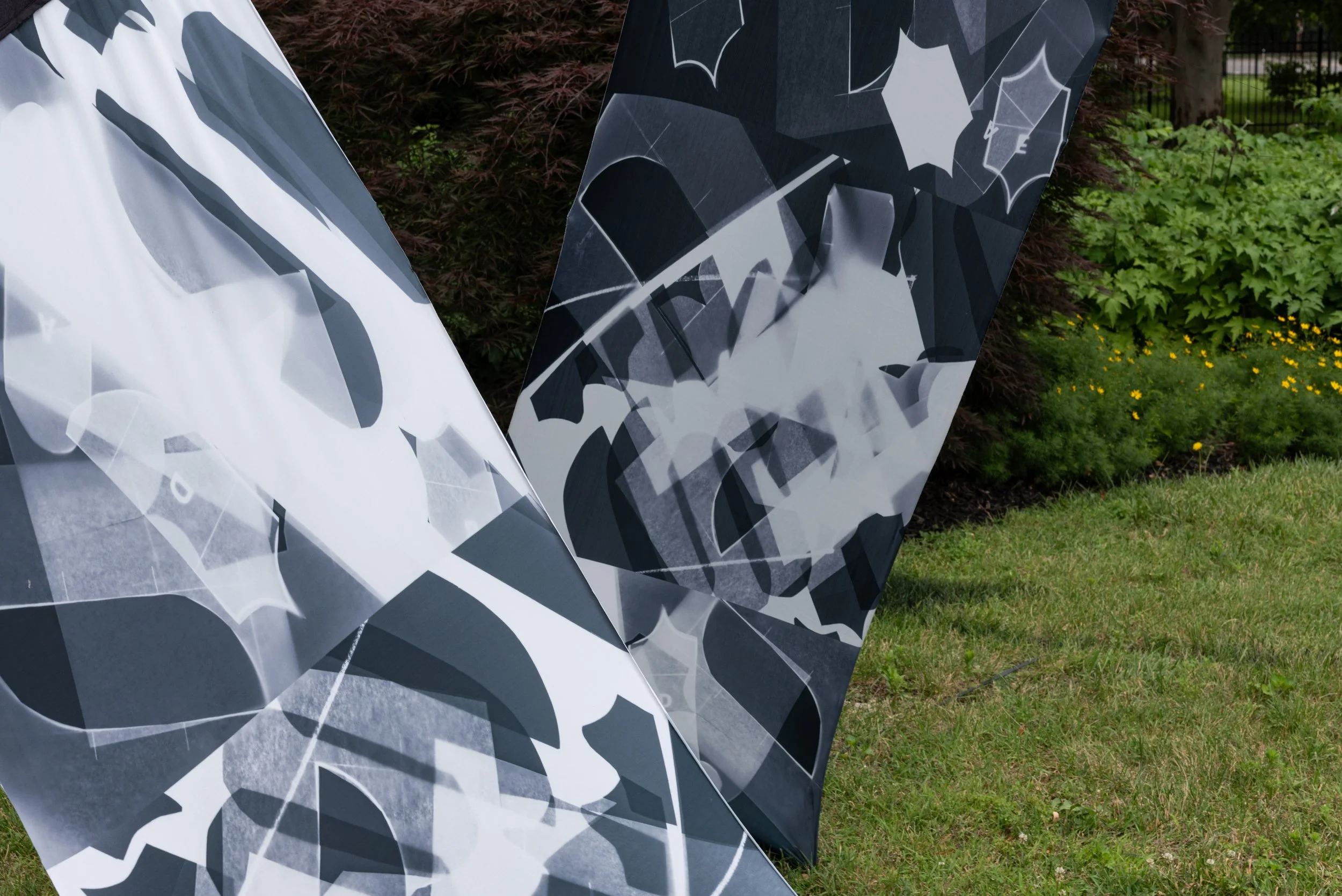
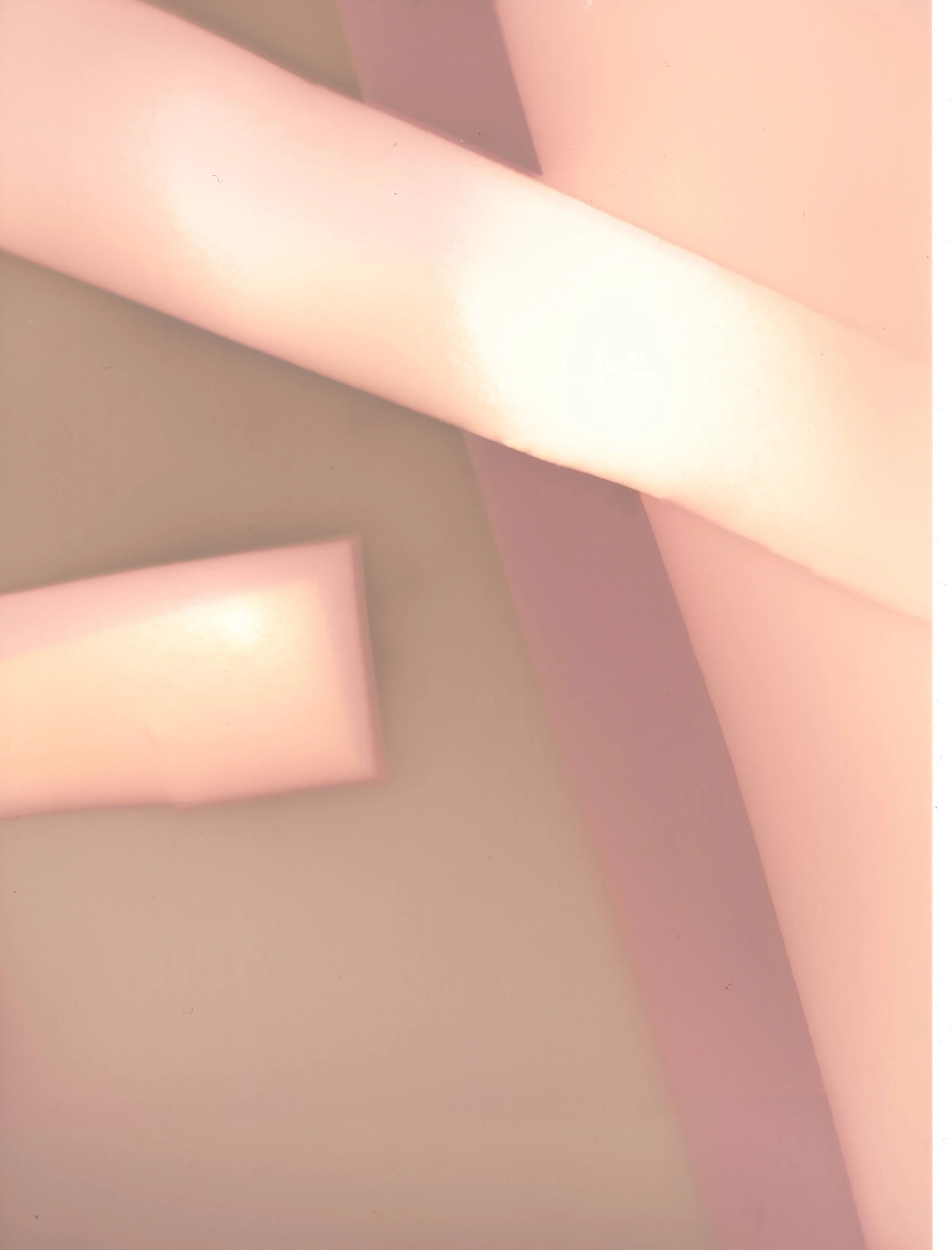
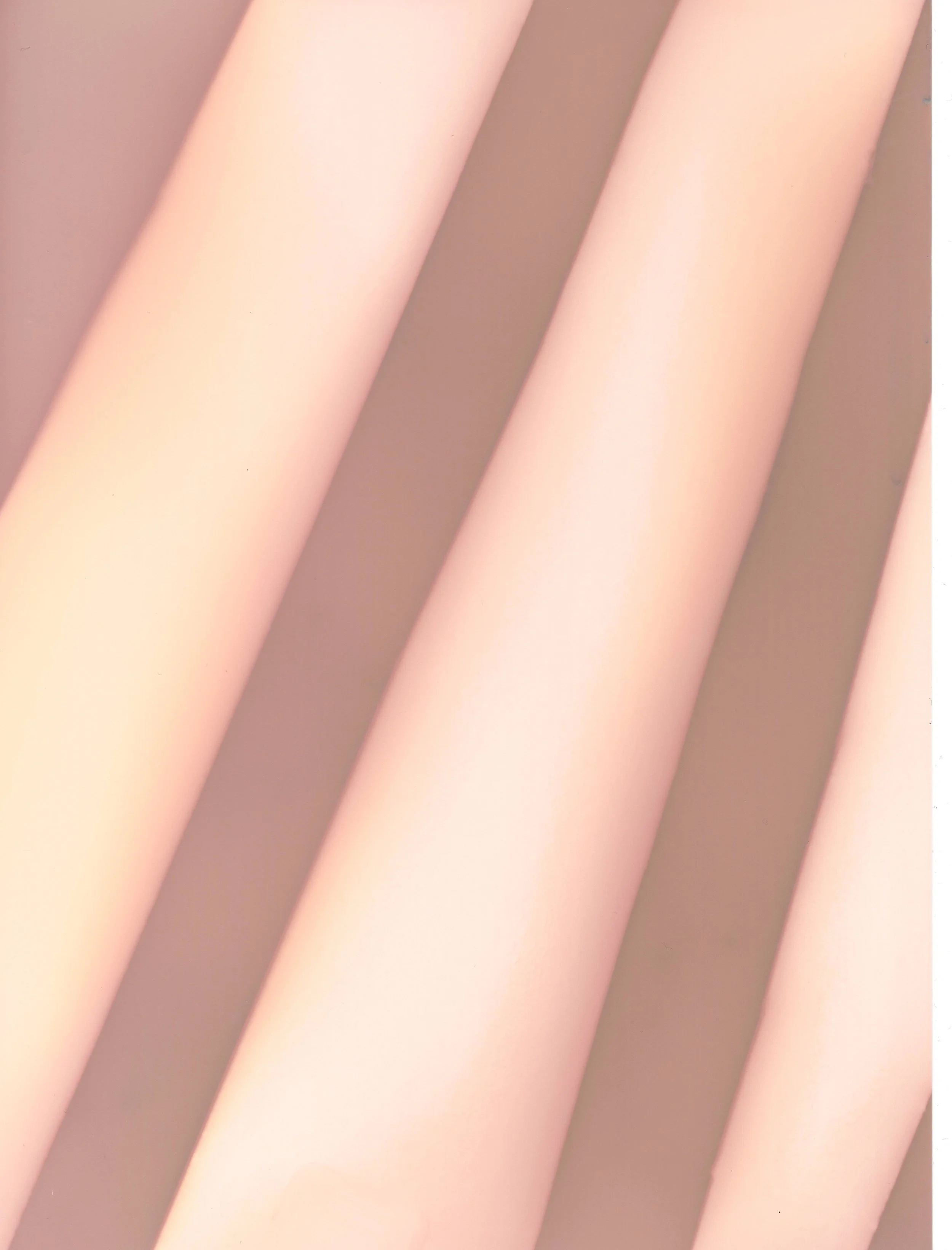
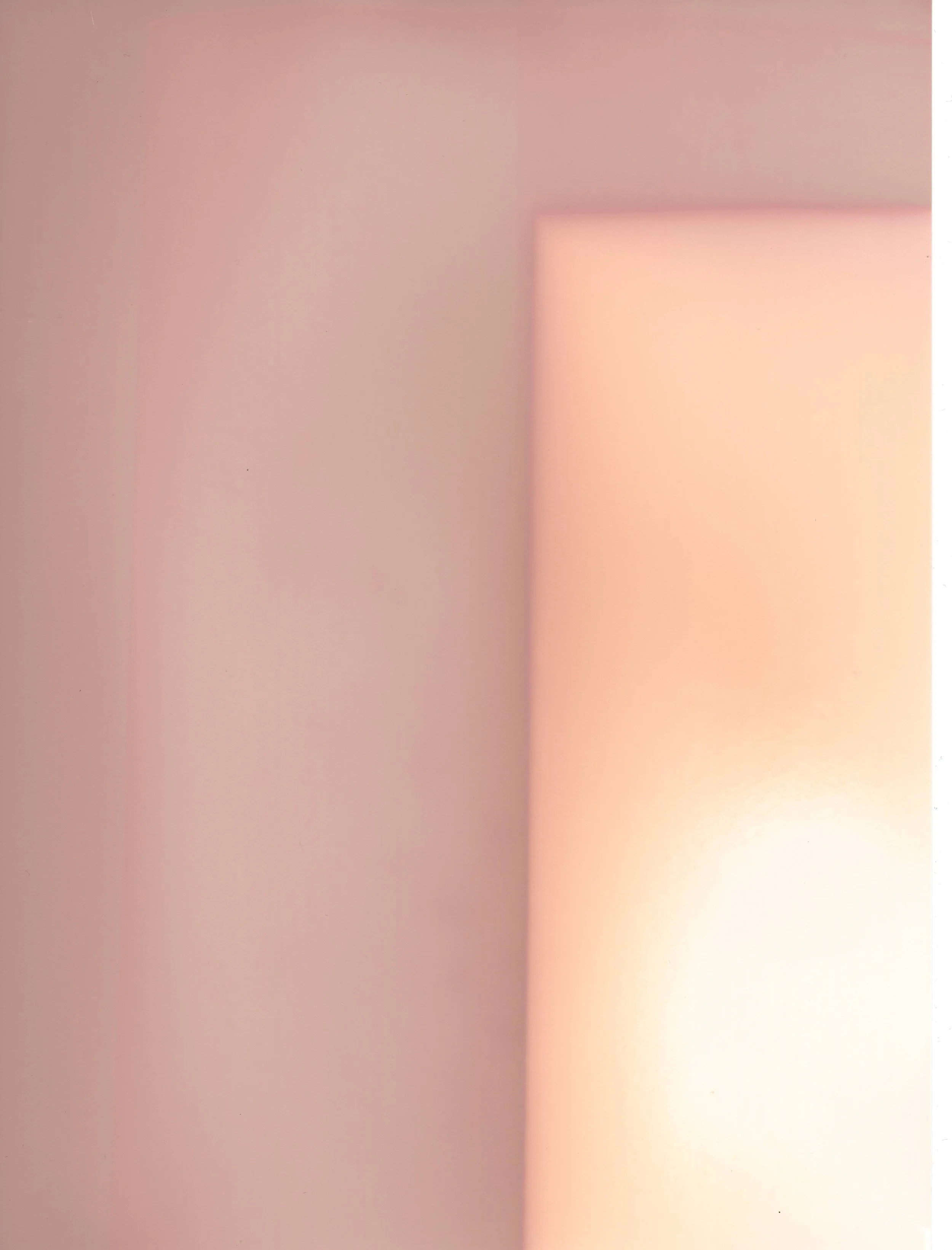
ReStack grew up in Pictou County, Nova Scotia — and at that time there was very little, if any, positive representation of queer life or love in public space, or discourse. In many ways, ReStack sees the work, “As a way to offer one possibility for an archive of queer feeling. Sometimes I think these ghostly images (AQE) give connection to our ancestors, and provide a way to imagine ourselves into the past and future.” Images were created by participants lying on the enlarger bed in the darkroom and, through exposure to light, producing a photogram. A photogram is a direct printing technique onto photo sensitive material. The resulting documents hold the mark of the body, the medium specific chemical truth of photographic processes, and the non-indexical abstraction of the created image. These movements between recognition and abstraction, truth and gesture, document and shadow, are all important ways to consider the queer archive as a place of opacity and visibility.
(Text from Tantramar Active Living and Culture publicity)
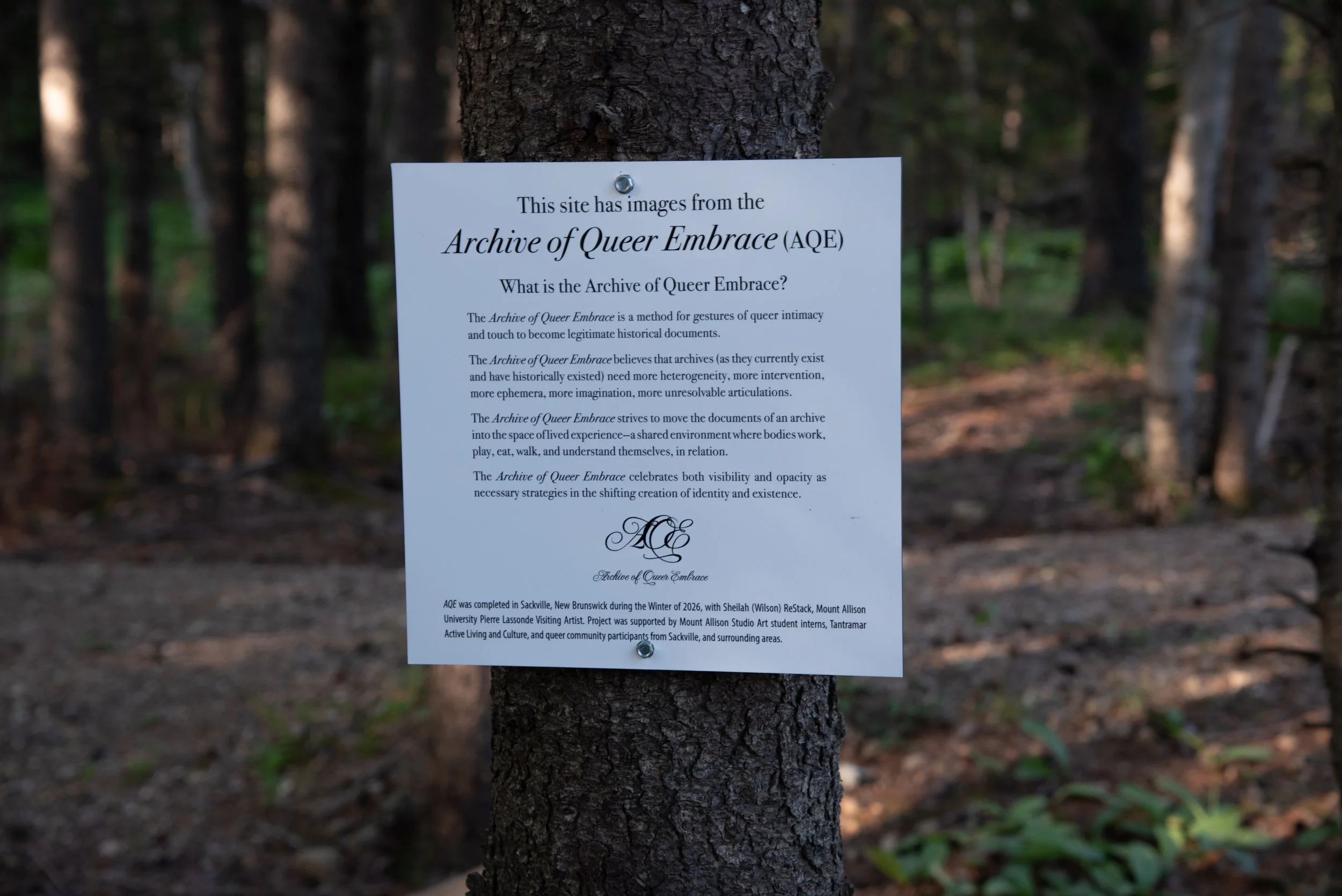
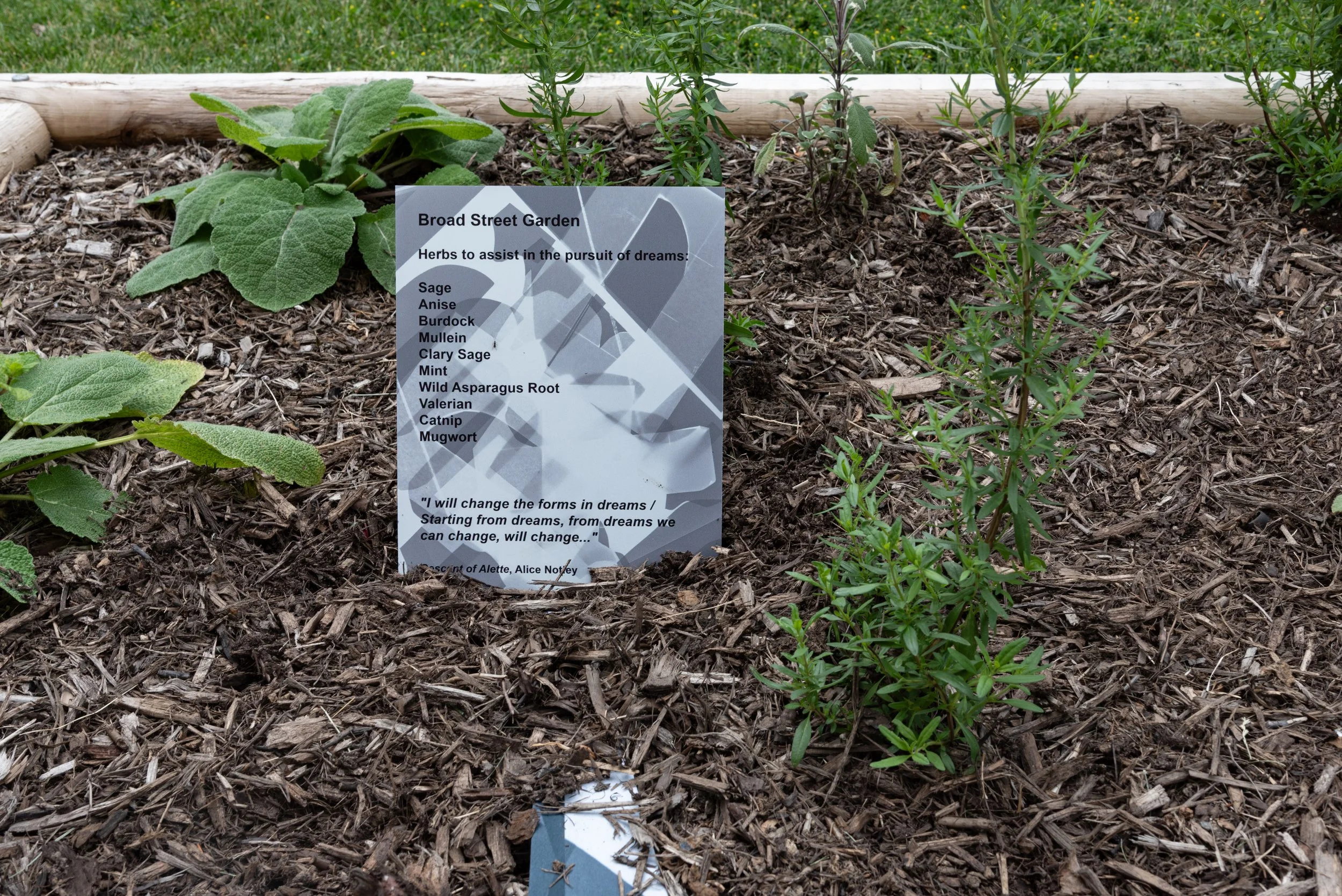
The interpretive signage in each of the five locations states;
The Archive of Queer Embrace is a method for gestures of queer intimacy and touch to become legitimate historical documents.
The Archive of Queer Embrace believes that archives (as they currently exist and have historically existed) need more heterogeneity, more intervention, more ephemera, more imagination, more mess.
The Archive of Queer Embrace strives to move the documents of an archive into the space of lived experience— a shared environment where bodies work, play, eat, walk, and understand themselves, in relation.
The Archive of Queer Embrace celebrates both visibility and opacity as necessary strategies in the shifting creation of identity and existence.
The interviews recorded while doing photogram portraits will be later aired on Sackville radio station CHMA, and a free publication will be launched in 2026/7, as part of the project. ReStack would like to acknowledge the support of Mt. Allison Pierre Lassonde Visiting Artist Residency, the Studio Art faculty of Mt. Allison, RC Good fellowship from Denison University, Mt. Allison student interns, the over fifty local people who participated in the project, and the traditional and unceded indigenous land of the Mi'kmaq Nation, which holds the images.